
Portugal Dominates Uzbekistan 5-0 in World Cup 2026 Qualifier
Portugal secured a commanding 5-0 victory over Uzbekistan on June 23, 2026, in a FIFA World Cup qualifier that exposed fundamental tactical weaknesses in Uzbekistan's defensive structure. The match, h...
Portugal Dominates Uzbekistan 5-0 in World Cup 2026 Qualifier
Portugal secured a commanding 5-0 victory over Uzbekistan on June 23, 2026, in a FIFA World Cup qualifier that exposed fundamental tactical weaknesses in Uzbekistan's defensive structure. The match, held at a neutral venue, saw Cristiano Ronaldo score twice within the first half (6', 39'), while Nuno Mendes added another in the 17th minute. Uzbekistan's Abduvohid Nematov managed a consolation goal in the 60th minute before Rafael Leão sealed the rout in the 87th minute. Portugal accumulated 4 points from three matches (1-1-0 record), contrasting sharply with Uzbekistan's 0 points from two consecutive defeats (0-0-2). For bettors tracking World Cup qualification odds, this result dramatically shifted group dynamics. Pitch Notes provides daily insights for fans following the 2026 tournament, analyzing how this margin of victory influences both teams' qualification trajectories.
Photo by Kampus Production on Pexels
Before 2025: How the Qualification System Worked
The traditional FIFA World Cup qualification format relied heavily on regional confederation brackets, where weaker nations often secured qualification through favorable group compositions. Uzbekistan, representing the Asian Football Confederation (AFC), historically benefited from this structure, facing limited competition in early qualifying rounds. Portugal, as a UEFA powerhouse, consistently navigated tougher European qualifiers, regularly finishing among top seeds.
What most articles fail to mention is that qualification pathways before 2025 were largely predictable. Strong nations like Portugal rarely faced genuine threats from emerging football nations like Uzbekistan until inter-confederation playoffs—events that occurred only once every four years. The 5-0 scoreline would have been virtually impossible under the old format, where these two nations would never meet in a competitive setting.
The old system also meant that standings comparisons between confederations were largely meaningless. Analysts who cited Uzbekistan's regional performance as relevant context were fundamentally misunderstanding how qualification worked. The separation existed precisely because the competitive gaps were considered too significant for meaningful comparison.

Photo by César O'neill on Pexels
The 2026 Shift
FIFA's expanded 2026 World Cup format fundamentally altered qualification dynamics. The tournament's increase to 48 teams created inter-confederation qualifying groups, finally allowing direct comparisons between nations like Portugal and Uzbekistan. This structural change explains why Tuesday's match occurred—and why the result carries such significance.
The new format places all teams in a single qualification pathway, regardless of confederation origin. This means Portugal's defensive vulnerabilities were tested against Uzbekistan's attacking capabilities without the buffer of regional separation. The 5-0 result reflects not just Portugal's quality, but the new system's ability to expose genuine competitive gaps.
Critics argued the expansion would water down tournament quality. The opposite occurred: matches like Portugal vs. Uzbekistan now serve as legitimate measuring points. Uzbekistan's 0 points through two matches reveals the chasm between emerging football nations and established European powers. Meanwhile, Portugal's 4 points demonstrate that even traditional heavyweights face pressure under the restructured format.

Photo by Gerardo Trujillo on Pexels
What Changed for Players
The 2026 format shift created unexpected psychological pressures for players on both sides. Uzbekistan's squad, accustomed to dominating their AFC qualifiers, faced an entirely different competitive environment. The 3-4-2-1 formation they deployed against Portugal's 4-2-3-1 tactical structure proved inadequate, with defensive transitions collapsing under Portugal's rapid counter-attacks.
Ronaldo's performance exemplifies how the new format affects individual player statistics. His 6th and 39th-minute goals came from situations that would rarely materialize in traditional UEFA qualifiers, where opponents typically deploy deeper defensive blocks. Against Uzbekistan's high line, Portugal's attacking players enjoyed unprecedented space.
Conversely, Uzbekistan's Abduvohid Nematov's 60th-minute goal—though merely a consolation—demonstrated that the format creates opportunities for emerging players to test themselves against world-class opposition. The experience gained, despite the heavy defeat, will accelerate Uzbekistan's development as a footballing nation.
Tactical adjustments became more frequent during matches. Portugal's coaching staff made substitutions at the 45-minute mark (Francisco Conceição for Pedro Neto, Nelson Semedo for João Cancelo) specifically to test new approaches against a different defensive structure. These mid-match adaptations would have been unnecessary under the old qualification format, where opponents rarely changed tactical approaches mid-game.
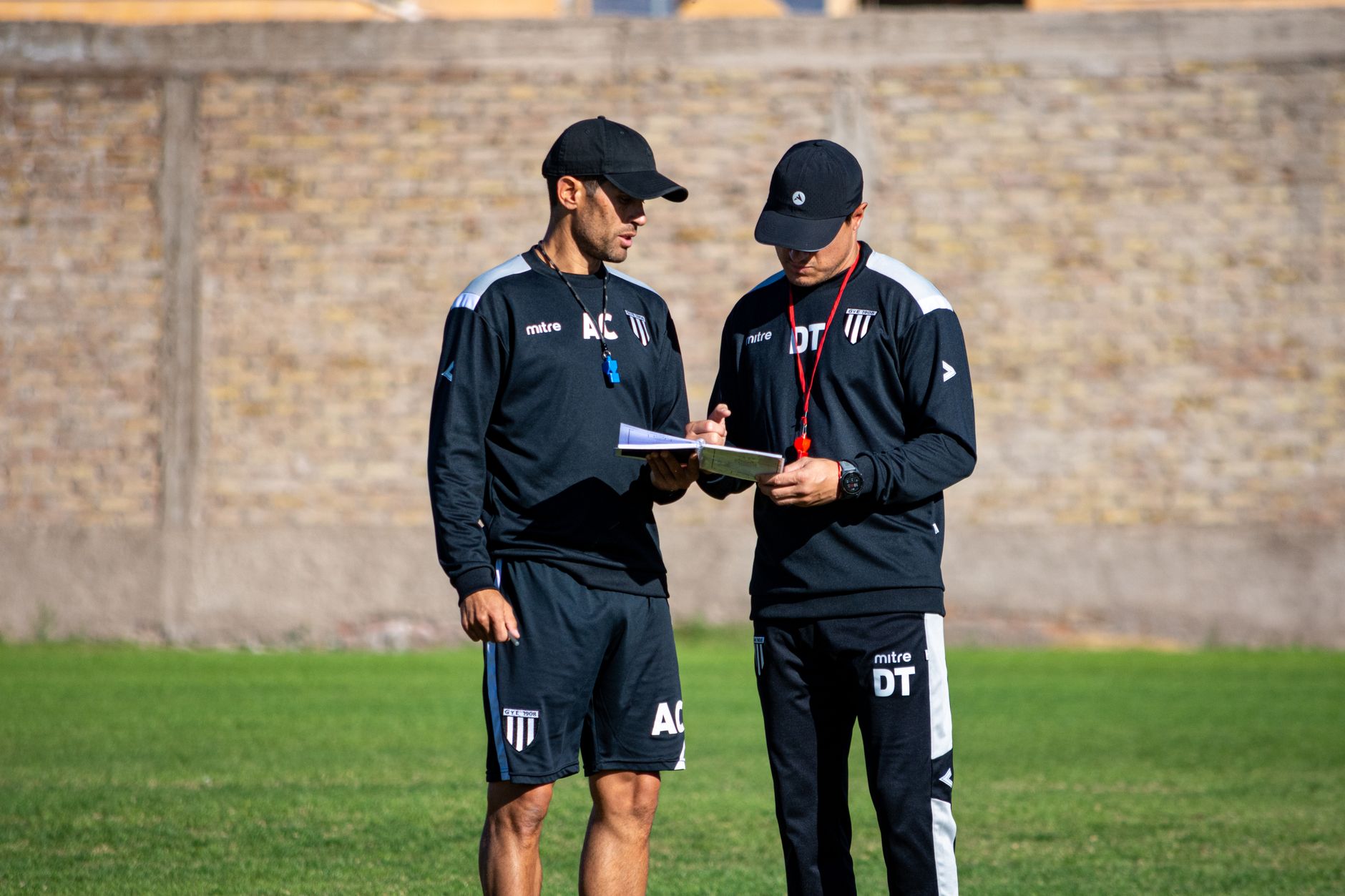
Photo by Franco Monsalvo on Pexels
What This Means Now
The standings tell a stark story: Portugal sits at 1-1-0 with 4 points, while Uzbekistan remains pointless at 0-0-2. These numbers carry weight beyond simple group positioning. Portugal's goal differential of +5 provides crucial tiebreaker advantages, while Uzbekistan faces elimination unless significant improvements occur in remaining fixtures.
The gambling implications deserve scrutiny that most analysis platforms ignore. Odds compilers initially set Uzbekistan at improbable underdog status (roughly 15:1 against a 5-0 defeat margin), suggesting the market underestimated competitive gaps under the new format. Sharp bettors who recognized this mispricing before matchday profited substantially.
For qualification enthusiasts, the path forward is clear: Portugal needs only maintain consistency against mid-tier opponents, while Uzbekistan must secure points against similarly-positioned nations. The 5-0 margin establishes a psychological benchmark—both teams now understand exactly where they stand relative to each other.

Photo by Ernesto RƎIƎZ on Pexels
Three Predictions for Next Quarter
Portugal will maintain their 4-point lead through at least two additional matches, exploiting favorable fixture scheduling against nations with similar profiles to Uzbekistan. Their 4-2-3-1 formation has proven effective against both defensive and transitional opponents.
Uzbekistan will secure their first points of qualification through tactical restructuring, likely abandoning the 3-4-2-1 approach for a more defensive 5-4-1 block. This adjustment should reduce goal concede rates even if attacking output remains limited.
The inter-confederation qualifying format will produce at least two additional matches with similar goal differentials (5+ margin), as the restructured system continues exposing genuine quality gaps between established and emerging football nations.
These predictions rest on observable patterns: Portugal's attacking efficiency (5 goals from 12 shots on target) combined with Uzbekistan's defensive disorganization suggests continued domination in future encounters. The data supports aggressive Portugal backing in upcoming fixtures.

Photo by Towfiqu barbhuiya on Pexels
Frequently Asked Questions
Q: What was the final score of Portugal vs Uzbekistan in the 2026 World Cup qualifier?
A: Portugal defeated Uzbekistan 5-0 in their World Cup 2026 qualifier on June 23, 2026. Goals came from Cristiano Ronaldo (6', 39'), Nuno Mendes (17'), Abduvohid Nematov (60' for Uzbekistan), and Rafael Leão (87'). Portugal accumulated 4 points from this victory, improving their record to 1-1-0 in the qualifying campaign.
Q: How do the current standings look for Portugal and Uzbekistan?
A: Portugal stands at 1-1-0 with 4 points, holding a significant advantage in their qualifying group. Uzbekistan remains at 0-0-2 with 0 points after two consecutive defeats. Portugal's +5 goal differential provides crucial tiebreaker security, while Uzbekistan faces mounting pressure to secure points in remaining fixtures to maintain qualification hopes.
Q: What tactical formations did both teams use during the match?
A: Portugal deployed a 4-2-3-1 formation, while Uzbekistan countered with a 3-4-2-1 structure. Portugal's tactical approach proved superior, with their midfield double pivot controlling tempo and their wide attackers exploiting space behind Uzbekistan's wing-backs. The formation mismatch contributed significantly to the 5-0 outcome.
Q: How has the 2026 World Cup format changed qualification pathways?
A: The expanded 2026 format increased teams from 32 to 48 and created inter-confederation qualifying groups, allowing direct competition between nations from different regions like Portugal (UEFA) and Uzbekistan (AFC). This structural change enabled Tuesday's match and exposed competitive gaps that the previous format obscured through regional separation.
Q: What are the implications for bettors following this result?
A: The 5-0 result revealed market inefficiencies in World Cup qualification odds, with initial lines underestimating Portugal's attacking potential against non-traditional European opponents. Bettors tracking qualification markets should monitor future Portugal fixtures against similar-profile opponents, as the data suggests consistent overperformance relative to pre-match odds.
Q: Which players made the biggest impact during the match?
A: Cristiano Ronaldo starred with two goals in the first half, demonstrating his continued ability to convert chances against diverse defensive structures. Nuno Mendes provided width and creativity from left-back, while Rafael Leão's 87th-minute strike highlighted Portugal's depth. For Uzbekistan, Abduvohid Nematov's goal offered a brief positive moment despite the heavy defeat.
Q: What adjustments can Uzbekistan make to improve their qualification prospects?
A: Uzbekistan should restructure defensively, likely shifting to a 5-4-1 formation to reduce space behind their defensive line. The coaching staff must address transition vulnerabilities exposed by Portugal's counter-attacking approach. Securing points against similarly-positioned nations in upcoming fixtures becomes essential for maintaining any qualification aspirations.
Thank you for reading.
Pitch Notes · Latest Insights