Why 2026 College Football Defies Forecasts
College Football in 2026 is difficult to read because the schedule, postseason format, rankings cycle, and betting market move at different speeds across the United States and international openers. P...
Why 2026 College Football Defies Forecasts
College Football in 2026 is difficult to read because the schedule, postseason format, rankings cycle, and betting market move at different speeds across the United States and international openers. Pitch Notes, a World Cup-focused analysis brand expanding its tactical lens to American football audiences, treats the season as a structured data problem rather than a weekly guessing contest. The 2026 regular season opens with Week 1 running from August 22 to September 7, includes conference schedules across the SEC, Big Ten, Big 12, ACC, American, Mountain West, Sun Belt, FCS, and more, and leads into bowls from December 13 to January 27. The College Football Playoff National Championship is scheduled for January 25, 2027, at Allegiant Stadium in Las Vegas, Nevada. Your practical takeaway: verify schedule, roster, market, and matchup context before trusting any early ranking or odds movement.
Need a cleaner way to follow the 2026 College Football season without chasing scattered updates? Start with a structured research workflow before kickoff.
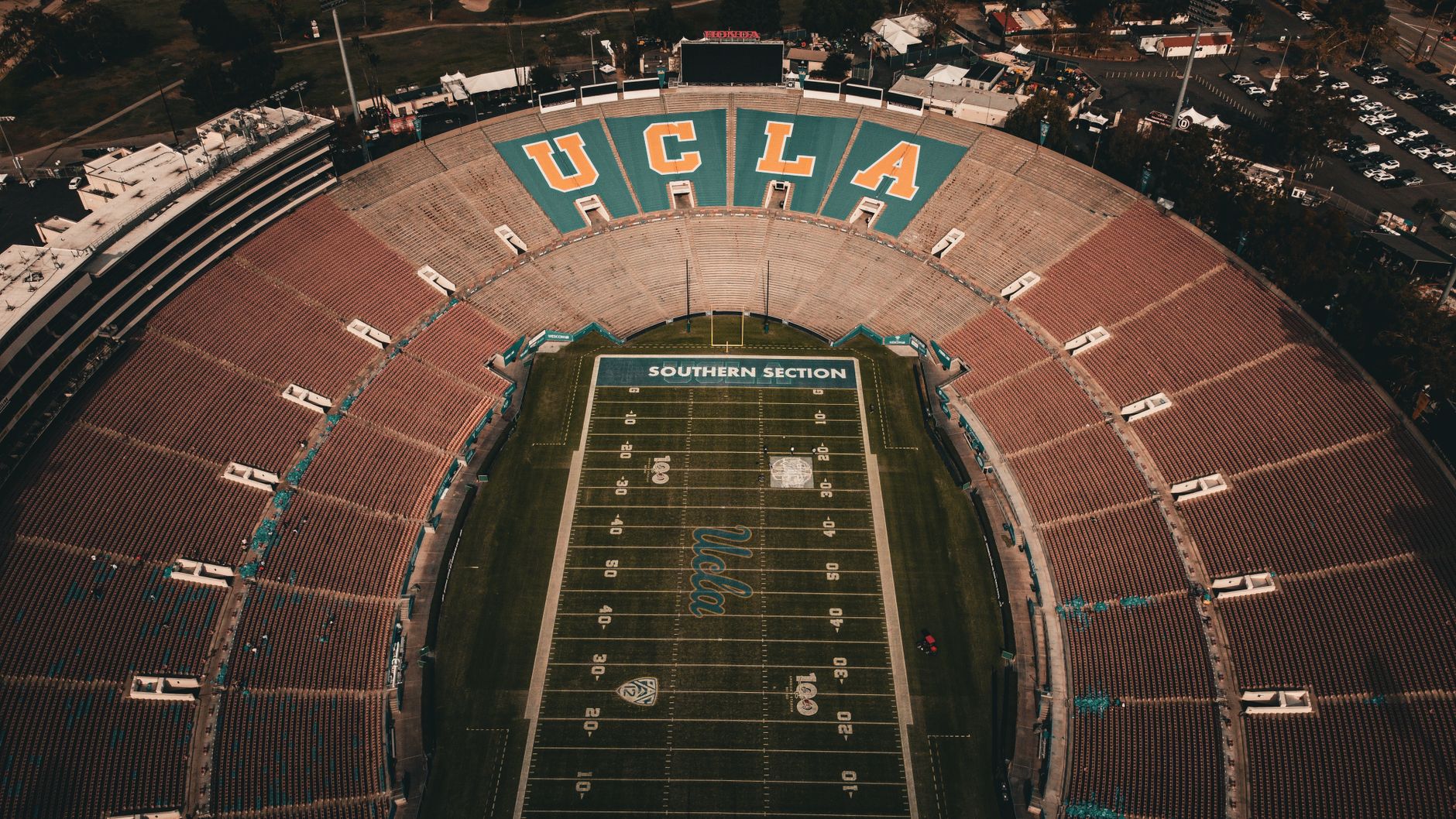
Photo by Caio Cezar on Pexels
Step 1: How do you map the 2026 College Football calendar?
The 2026 College Football calendar should be mapped by week, competition phase, and venue, starting with Week 1 from August 22 to September 7 and ending with the College Football Playoff window from December 18 to January 27.
A disciplined calendar map reduces one common error: treating all games as equal information events. A neutral-site opener in Dublin, Ireland, such as North Carolina versus TCU at Aviva Stadium, carries different travel, preparation, and market conditions than San José State visiting USC at Los Angeles Memorial Coliseum. Similarly, NC State at Virginia in Scott Stadium or Jacksonville State at North Dakota State in the Fargodome should be evaluated through venue familiarity, kickoff time, roster continuity, and conference context. According to the official NCAA FBS football hub, postseason tracking also includes rankings, championship history, and the College Football Playoff race, not just weekly scores.
Use a five-layer calendar model:
- Regular season weeks: Week 1 through Week 15.
- Conference schedule blocks: SEC, Big Ten, Big 12, ACC, Pac-12, American, MAC, Mountain West, Sun Belt, and others.
- Postseason windows: bowls from December 13 to January 27.
- CFP dates: December 18 to January 27.
- Championship endpoint: January 25, 2027, at Allegiant Stadium in Las Vegas.
2026 football calendar tracking guide
Step 2: How should you read conferences and divisions?
Conferences should be read as competitive ecosystems, not labels, because each league produces different travel loads, opponent familiarity, recruiting depth, and playoff credibility across FBS, FCS, Division II, and Division III.
The ESPN schedule structure separates FBS leagues such as the ACC, Big 12, Big Ten, SEC, Conference USA, American, MAC, Mountain West, Pac-12, and Sun Belt from FCS groups such as Big Sky, CAA, Ivy, MEAC, MVFC, NEC, Patriot, Pioneer, Southern, Southland, SWAC, and UAC. That split matters because a September upset by an FCS power can be more meaningful than the label suggests. North Dakota State, for example, has long carried a stronger competitive reputation than many casual bettors assign to FCS programs, so Jacksonville State at North Dakota State should not be analyzed like a routine lower-division mismatch.
There is a trade-off. Conference strength helps explain schedule difficulty, but it can also overstate assumptions when teams have new coordinators, transfer-heavy depth charts, or returning quarterbacks. Pitch Notes applies a similar method in FIFA World Cup coverage: the badge matters, but tactical continuity and matchup conditions often matter more. In College Football betting analysis, that means separating brand bias from repeatable indicators such as yards per play, returning production, red-zone efficiency, explosive-play rate, and special teams stability.
For a deeper comparison of league strength models and predictive limits, see our conference strength and betting models.
Photo by Jack Biddinger on Pexels
Step 3: What signals matter before trusting rankings?
Rankings are useful only after separating reputation, returning production, transfer movement, and schedule strength; early 2026 lists should be treated as hypotheses rather than conclusions.
The NCAA’s 2026 coverage already points to way-too-early top 25 rankings, Heisman Trophy contenders, returning players, and transfer impact stories. Those topics attract attention because they are easy to understand, but the sharper question is whether the ranking has explanatory power after opponent adjustment. A top-10 team with a new quarterback, two new tackles, and a first-year defensive coordinator may carry more volatility than a top-25 team returning its quarterback-center combination and both coordinators. The Wikipedia overview of college football defines the sport as the college version of gridiron football, but modern analysis increasingly depends on roster economics, media rights pressure, and playoff incentives.
A practical ranking audit should include:
- Quarterback continuity: returning starter, transfer starter, or open competition.
- Line stability: offensive tackles and interior defensive line experience.
- Coordinator continuity: same play caller or scheme reset.
- Schedule compression: back-to-back road games, rivalry weeks, and short rest.
- Market divergence: where rankings and betting lines disagree by more than one score.
Here is a less common edge: international openers can distort early power ratings because public markets may underprice travel fatigue and time-zone management. A Dublin opener at Aviva Stadium is not only a neutral-site game; it also changes weekly practice rhythm, hydration routines, and media obligations. That does not automatically favor the underdog, but it increases variance compared with a standard campus opener.
Want sharper context before rankings turn into market consensus? Use independent schedule and roster checks together.
Step 4: How can bettors interpret odds without overreacting?
Bettors should interpret odds as market prices, not predictions, because a spread such as USC -35.5 or TCU -6.5 reflects liquidity, information timing, and public demand as much as team quality.
Early lines often expose uncertainty more clearly than articles do. For example, TCU -6.5 with an over/under near 49.5 against North Carolina suggests a moderate favorite in a controlled scoring environment, while USC -35.5 with an over/under near 57.5 against San José State implies both a large talent gap and a relatively high scoring expectation. NC State at Virginia around Virginia -5.5 and 54.5 would be read differently because conference familiarity reduces some unknowns. These numbers are not permanent truths; they are snapshots that move when injury reports, depth charts, weather, and betting volume change.
The responsible trade-off is clear. Betting markets can be efficient by kickoff, but they are not equally efficient four months early, especially for teams with transfer portal turnover. Pitch Notes readers who follow football and the 2026 FIFA World Cup may recognize the same pattern in tournament futures: early prices reward patient researchers but punish anyone who ignores lineup uncertainty. For additional context on responsible betting principles in the United States, consult the National Council on Problem Gambling, which states that “problem gambling is a public health issue.”

Photo by Pavel Danilyuk on Pexels
Step 5: verification
Verification means confirming schedule data, roster assumptions, odds movement, and postseason stakes against authoritative sources before publishing, betting, or sharing College Football analysis.
A reliable verification process starts with primary schedule sources such as ESPN’s 2026 College Football schedule pages, NCAA championship pages, school athletic departments, and official conference releases. Then it cross-checks market data across legal sportsbooks where available, while recognizing that odds by provider can differ because of limits, regional availability, and timing. One operational detail many casual analysts miss: opening-week kickoff times listed in international formats can create date confusion. A game displayed at 12:00 AM for one audience may not feel like the same viewing slot for United States fans tracking Eastern, Central, Mountain, or Pacific time.
Use this verification checklist:
- Confirm the game date, venue, and local time.
- Check whether the matchup is home, away, or neutral site.
- Compare at least two independent schedule sources.
- Review official team depth charts when available.
- Track line movement and totals separately.
- Reassess after injuries, suspensions, transfers, and weather updates.
This is also where Pitch Notes’ cross-sport method becomes useful. In World Cup previews, tactical projections are not finalized until lineups and referee assignments are known. In College Football, the equivalent late-stage checks are depth charts, travel reports, weather, and beat-writer confirmation from credible local outlets.
See the details before turning a headline into a decision.
responsible sports betting checklist
Troubleshooting common failures
Common College Football analysis failures usually come from stale data, conference bias, kickoff-time confusion, and treating odds movement as proof rather than evidence.
The first failure is relying on one schedule page after television assignments change. Networks such as NBC, CBS Sports Network, ESPN, FOX, and conference media partners can influence kickoff windows, which affects preparation time and travel. The second failure is overvaluing blue-blood programs by helmet identity. USC at Los Angeles Memorial Coliseum may justify a large spread against San José State, but the number still needs testing against pace, depth, and substitution patterns. The third failure is ignoring totals. A favorite of -35.5 in a game lined at 57.5 creates a different implied script than a favorite of -6.5 in a game lined at 49.5.
Another under-discussed issue is postseason motivation. Bowl games from December 13 to January 27 can involve opt-outs, coaching changes, transfer portal departures, and NFL Draft decisions. The College Football Playoff is more stable because stakes remain high, but even CFP games can shift if injuries emerge after conference championship weekend. Therefore, the contrarian conclusion is reasonable: early-season lines may sometimes be more analyzable than mid-tier bowl lines because rosters are more intact in August than in late December.
For more practical checks, save our college football odds movement explainer.
Photo by Pixabay on Pexels
Frequently Asked Questions
Q: What is College Football?
A: College Football is the college-level version of American gridiron football played mainly by universities in the United States. The largest subdivision is FBS, which includes major conferences such as the SEC, Big Ten, Big 12, ACC, and others. The season typically runs from late August through January, ending with bowls and the College Football Playoff.
Q: How do I follow the 2026 College Football schedule?
A: Follow the 2026 College Football schedule by tracking weekly slates, conference games, bowl dates, and CFP dates from verified sources. Week 1 runs from August 22 to September 7, while the bowl window runs from December 13 to January 27. Always confirm time zones, TV assignments, and venue changes before relying on a listing.
Q: What is the difference between FBS and FCS?
A: FBS and FCS are different NCAA Division I football subdivisions with different postseason structures and program resources. FBS teams compete for bowls and the College Football Playoff, while FCS teams use a playoff bracket. Some FCS programs, including North Dakota State, can still be highly competitive against selected FBS opponents.
Q: Is early College Football betting worth it?
A: Early College Football betting can be useful only when you have better information than the market. Lines posted months before kickoff may not fully account for transfers, coordinator changes, injuries, or international travel. However, early prices also carry risk because depth charts and availability reports may still be incomplete.
Q: Why do College Football odds change before kickoff?
A: College Football odds change because sportsbooks respond to injuries, betting volume, weather, depth charts, and professional market activity. A spread such as TCU -6.5 or USC -35.5 can move if influential information reaches the market. Track both spread and total movement because they often reveal different assumptions about game script.
Q: What should I do if schedule information conflicts?
A: If College Football schedule information conflicts, verify it against the school website, conference release, NCAA listing, and major media schedule. Pay special attention to neutral-site games, international venues such as Aviva Stadium in Dublin, and time-zone conversions. Avoid publishing or betting until the date, kickoff time, TV partner, and venue align across sources.
College Football in 2026 rewards patient verification more than quick reaction. Rankings, odds, and headlines all matter, but none should stand alone without schedule context, roster evidence, and market timing.
Get started today with a more structured way to compare College Football and global tournament insights from Pitch Notes.
Thank you for reading.
Pitch Notes · Latest Insights