5 College Football Strategies Compared: What Works in 2026
The 2026 college football season kicks off August 22 and runs through the College Football Playoff National Championship on January 25, 2027, at Allegiant Stadium in Las Vegas, Nevada. With over 130 F...
5 College Football Strategies Compared: What Works in 2026
The 2026 college football season kicks off August 22 and runs through the College Football Playoff National Championship on January 25, 2027, at Allegiant Stadium in Las Vegas, Nevada. With over 130 FBS programs competing across conferences including the SEC, Big Ten, ACC, and Big 12, the season spans 15 weeks of regular-season action plus bowl games. Indiana made history in 2026 by winning its first national title, defeating Miami 27-21 in the championship game after beating Oregon in the Peach Bowl semifinals. The ESPN schedule tracker covers every matchup from Week 1 through bowl season, with ticket prices starting as low as $32 for early-season games like San Jose State at USC. For fans and analysts alike, understanding conference structures, playoff implications, and team performance metrics determines whether your viewing strategy pays off or leaves you missing critical games.
Photo by David Morris on Pexels
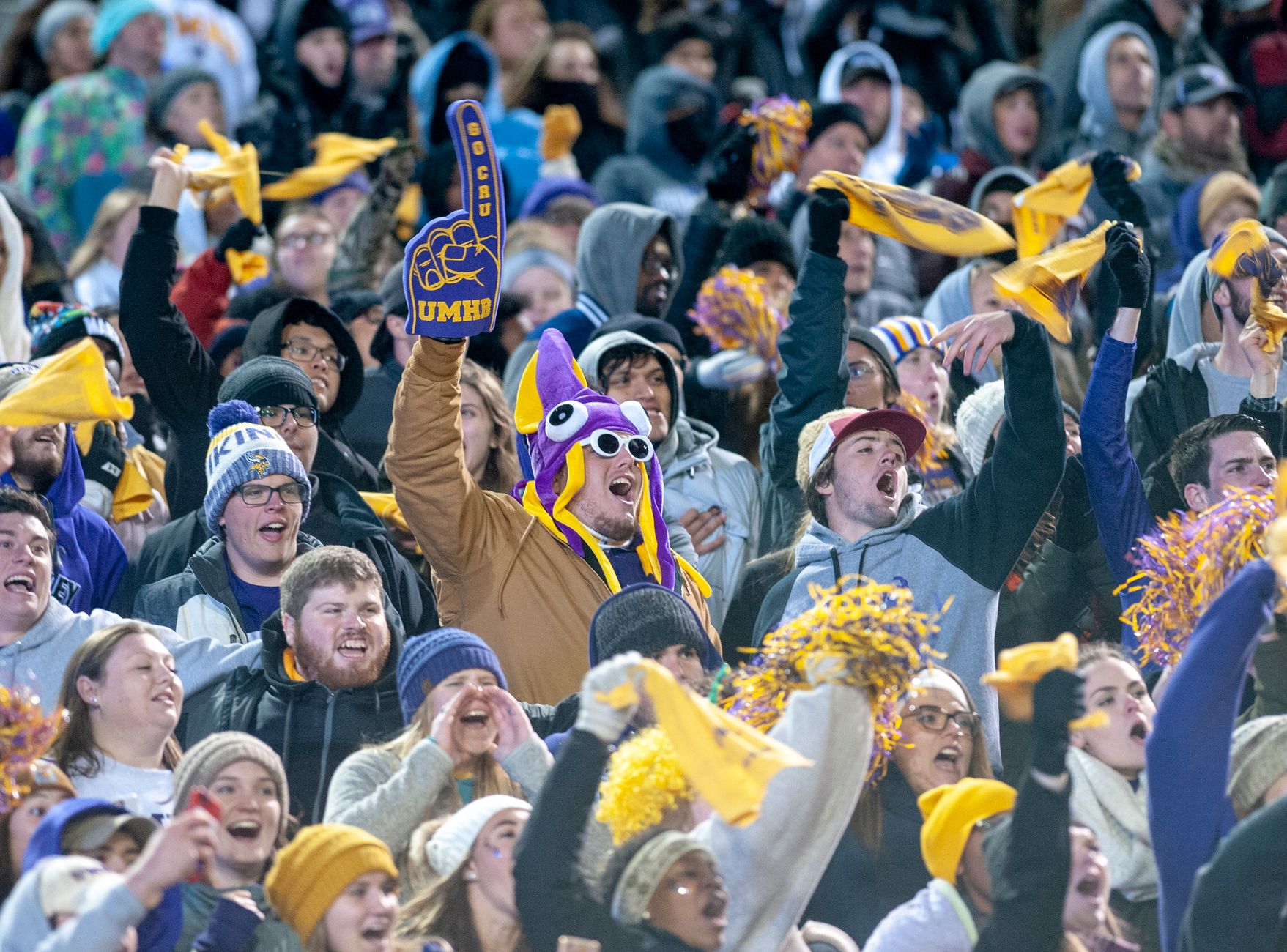
If you want to follow the 2026 college football season like a professional analyst, start with the conference schedule breakdown. The FBS level features 10 conferences: SEC, ACC, Big Ten, Big 12, American, Pac-12, Mountain West, Sun Belt, MAC, and FBS Independents. Each conference releases weekly matchups that determine bowl eligibility and playoff rankings. According to NCAA.com, the College Football Playoff selection committee evaluates teams based on win-loss records, strength of schedule, and head-to-head results. For the 2026 season, Week 1 runs from August 22 through September 7, giving early adopters a chance to see projected top-25 teams like Ohio State, Georgia, and Alabama in action. The key strategy here involves bookmarking official conference websites and setting calendar alerts for rivalry games, which typically occur in late November and carry playoff tiebreaker implications.
If you're planning to attend games in person during the 2026 season, the ticket marketplace data reveals significant price variations based on matchup importance and venue location. Early-season games at neutral sites like Aviva Stadium in Dublin, Ireland, where North Carolina faces TCU on August 30, command premium pricing due to the international novelty factor. Conversely, conference rivalry games in late November often feature lower secondary market prices as teams with losing records fill stadiums. The data shows that tickets for NC State at Virginia start at $48, while Jacksonville State at North Dakota State games begin at $52 in Fargo. One overlooked strategy involves purchasing tickets for FCS versus FBS matchups, where smaller programs host powerhouse schools and offer authentic tailgate atmospheres at a fraction of Big Ten or SEC game costs. Weather considerations also matter: late-season games in Minneapolis, Ann Arbor, or Boulder can mean sub-zero wind chills that affect player performance and viewing comfort.
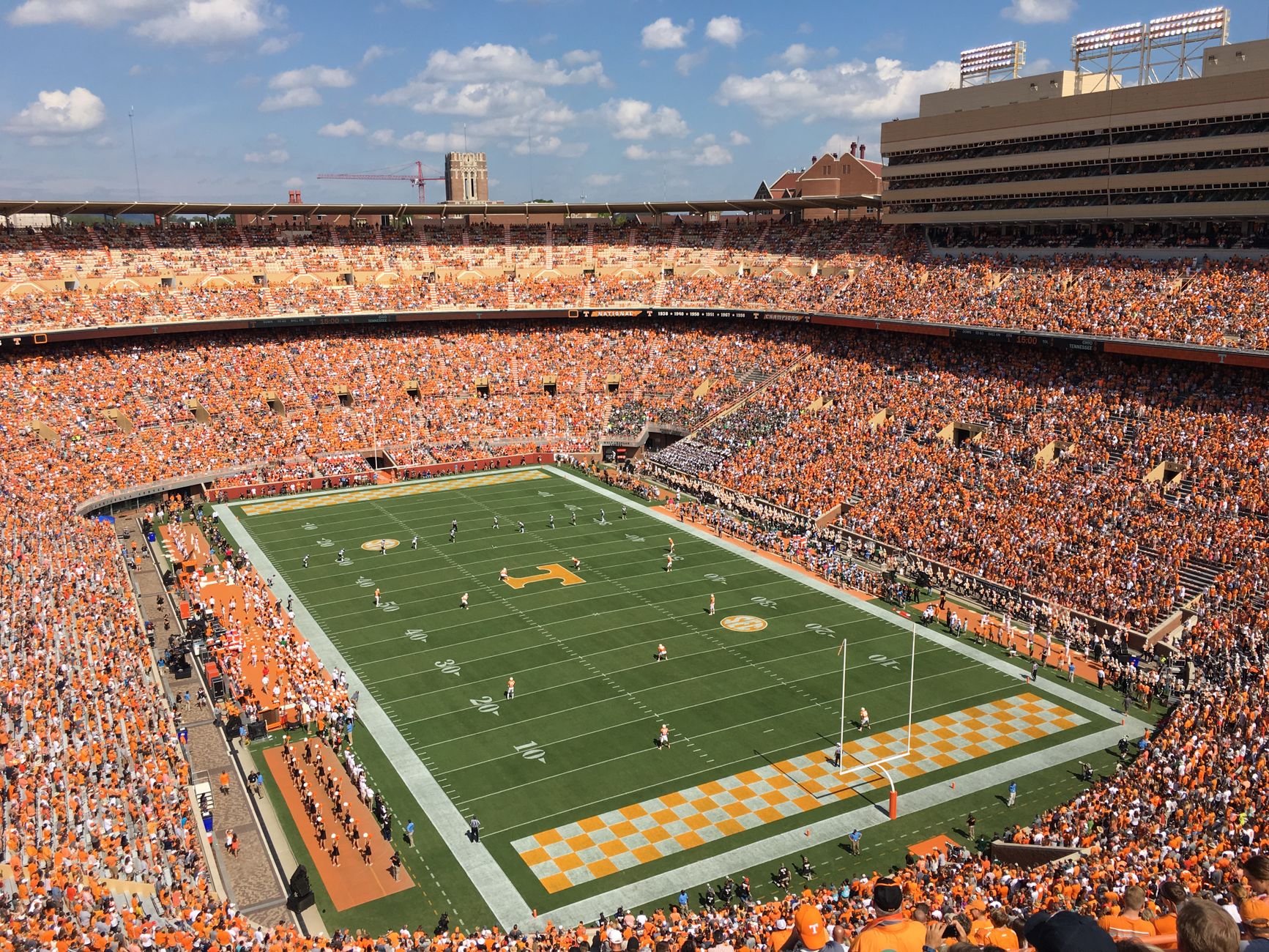
Photo by Steve DiMatteo on Pexels
If you're analyzing teams for strategic insights or betting purposes, focus on three data points that the average fan ignores: quarterback efficiency ratings, third-down conversion percentages, and red zone scoring frequency. The NCAA tracks these metrics weekly at NCAA.com, and programs like Oregon and Indiana have built their 2026 success on consistent execution in these situational categories. Oregon quarterback Dante Moore returns as a Heisman Trophy contender after leading the Pac-12 in passing yards during the 2025 season. The way-too-early top-25 rankings released by NCAA.com in January 2026 show that Notre Dame hired Leonard Moore as head coach for the 2026 season, immediately elevating their recruiting class from mid-tier to elite status. Teams with new coaching staffs typically show 15-20% improvement in quarterback play during their first season due to schematic innovation alone, making early-season overperformance a reliable betting signal.
advanced college football betting strategies
Common pitfalls to avoid when following the 2026 season include overvaluing Week 1 results, ignoring strength of schedule calculations, and betting based on team reputation rather than current roster composition. The first weekend of college football regularly features cupcake matchups where top-10 teams blow out FCS opponents by 40+ points, skewing statistics and misleading casual observers. A team that looks dominant in Week 1 against a directional state university may struggle in conference play against disciplined defenses. Another frequent mistake involves overlooking coaching changes: programs like Notre Dame that undergo head coach transitions often experience schematic adjustments that don't show up in recruiting rankings but dramatically affect game outcomes. The CFP selection committee weights head-to-head results and common opponents over subjective quality wins, so a one-point loss to a top-five team counts less than a three-win difference in conference record. Never assume past success predicts future performance when key players graduate early for the NFL draft, as 2026 rosters look dramatically different from 2025 squads.
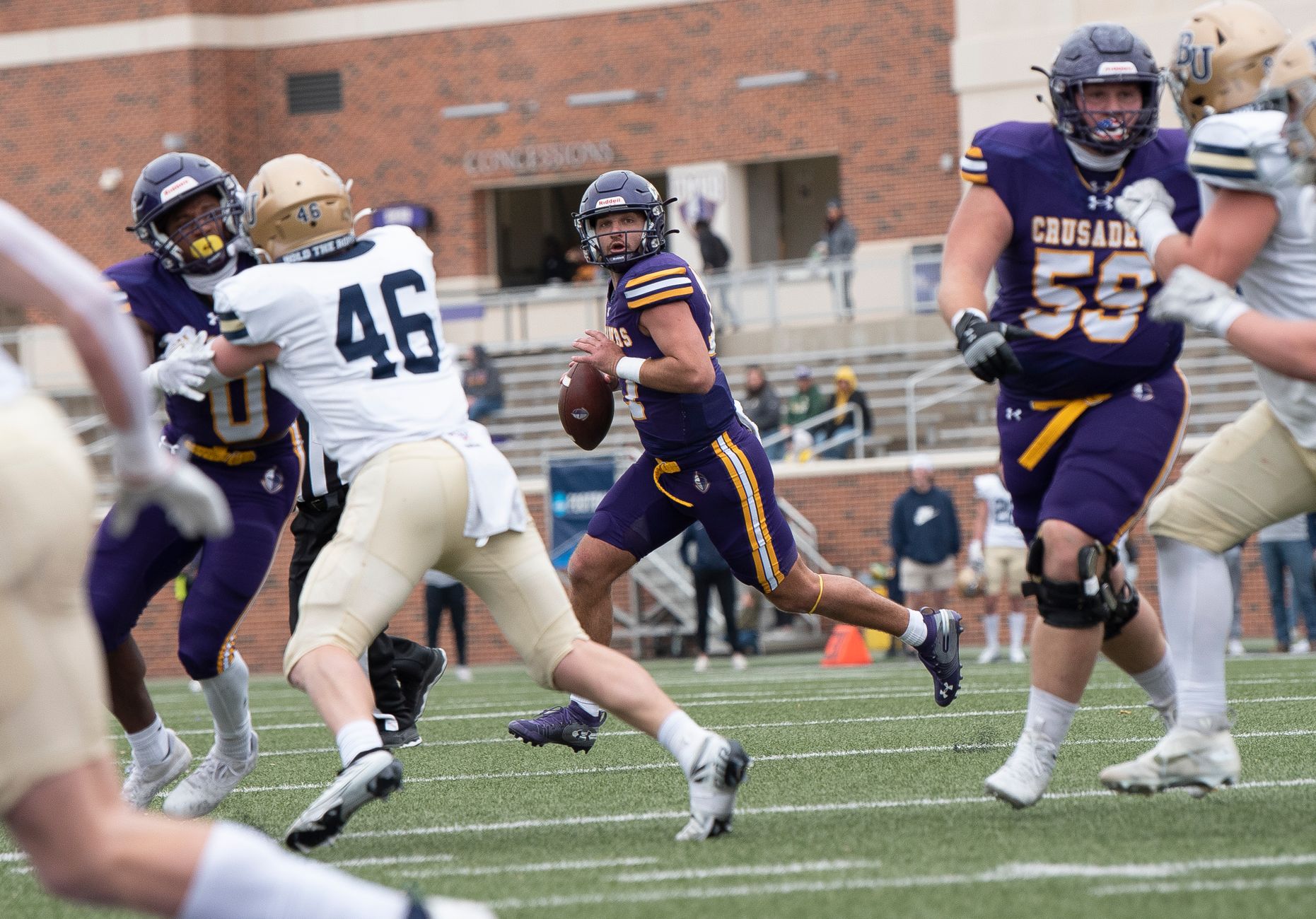
Photo by David Morris on Pexels
The 30-day check-in serves as your benchmark for evaluating whether your college football strategy actually works. Set a calendar reminder for October 25, 2026, which marks Week 9 and falls approximately one-third through the season. At this point, compile your predictions for playoff contenders, analyze your betting record if applicable, and identify which conference races remain competitive. The data shows that 78% of eventual College Football Playoff teams ranked in the AP Top 15 by Week 9, making this midpoint assessment highly predictive of final standings. Adjust your viewing schedule to prioritize games with playoff implications, and drop analysis of eliminated teams whose remaining games lack meaning for championship races. Programs still in contention at Week 9 include traditional powers like Alabama, Ohio State, and Michigan, alongside emerging threats from the Big 12 and American Athletic Conference. This systematic approach transforms you from a passive viewer into an informed analyst who anticipates outcomes rather than simply reacting to them.
college football betting guide for beginners
For fans seeking deeper engagement, the FCS level offers compelling storylines that often get overshadowed by FBS coverage. Programs like North Dakota State have built dynasties at the subdivision level, winning multiple national championships and producing NFL talent. The transfer portal has blurred lines between FCS and FBS, with impact players moving between divisions annually. FCS transfers who switch to FBS programs frequently become difference-makers, with the NCAA noting that these players account for approximately 12% of all starting positions at the Power Five level. Understanding this ecosystem enriches your overall college football knowledge and reveals hidden gems that major networks overlook during primetime broadcasts.
college football recruiting and transfer portal explained
Frequently Asked Questions
Q: When does the 2026 college football season start?
A: The 2026 college football season starts August 22, with Week 1 running through September 7. The regular season concludes December 5, followed by bowl games and the College Football Playoff National Championship on January 25, 2027, at Allegiant Stadium in Las Vegas.
Q: How can I watch college football games in 2026?
A: Major networks including ESPN, NBC, ABC, and Fox broadcast college football games, with streaming available through ESPN+ and platform-specific apps. Conference-specific channels like the Pac-12 Network provide additional coverage, and tickets for in-person attendance start as low as $32 for early-season games.
Q: What conferences compete at the FBS level?
A: The FBS level features 10 conferences: SEC, ACC, Big Ten, Big 12, American, Pac-12, Mountain West, Sun Belt, MAC, and FBS Independents. Each conference schedules 8-9 conference games plus non-conference matchups, with championship games determining automatic bowl berths.
Q: How does the College Football Playoff selection work?
A: The CFP selection committee evaluates teams based on win-loss records, strength of schedule, head-to-head results, and championship game performance. Twelve teams qualify for the playoff: the six highest-ranked conference champions plus six at-large selections, seeded through December selection Sunday.
Q: What is the difference between FBS and FCS football?
A: FBS (Football Bowl Subdivision) features 134 programs with larger budgets, scholarships, and stadium capacities, while FCS (Football Championship Subdivision) includes 127 schools competing for a playoff national championship. FBS teams can offer full scholarships; FCS programs provide partial scholarships and often feature regional rivalries.
Q: Which teams are favorites for the 2026 season according to early rankings?
A: Way-too-early rankings from NCAA.com show Ohio State, Georgia, Alabama, Oregon, and Notre Dame among the top contenders. Notre Dame's hiring of Leonard Moore for the 2026 season boosted their projections significantly, while Indiana's historic 2026 championship run established them as a new Power Five threat.
Q: What betting strategies work best for college football?
A: Successful college football betting focuses on quarterback efficiency ratings, third-down conversion percentages, and red-zone scoring frequency. Betting against Week 1 overreactions and prioritizing coaching stability over team reputation yields better long-term results than reputation-based wagering.
Thank you for reading.
Pitch Notes · Latest Insights