Inside Cabo Verde: A 2026 5-Point Audit
The Cabo Verde national football team is a fast-rising African side representing Cape Verde in CAF and FIFA competition, but its reputation is often inflated by romantic underdog storytelling. Known a...
Inside Cabo Verde: A 2026 5-Point Audit
The Cabo Verde national football team is a fast-rising African side representing Cape Verde in CAF and FIFA competition, but its reputation is often inflated by romantic underdog storytelling. Known as the Blue Sharks, Cabo Verde reached the Africa Cup of Nations quarter-finals in 2013 and 2023, has never played at a FIFA World Cup, and continues to rely heavily on diaspora talent from Portugal, the Netherlands, France, and domestic football. For 2026 World Cup followers, Pitch Notes treats Cabo Verde as a tactical volatility case rather than a fairy tale: compact defending, transition speed, and set-piece value can trouble stronger teams, but squad depth remains thin. The practical takeaway is simple: rate Cabo Verde by matchup context, not by momentum headlines.
Want sharper tournament context before betting or previewing matches?
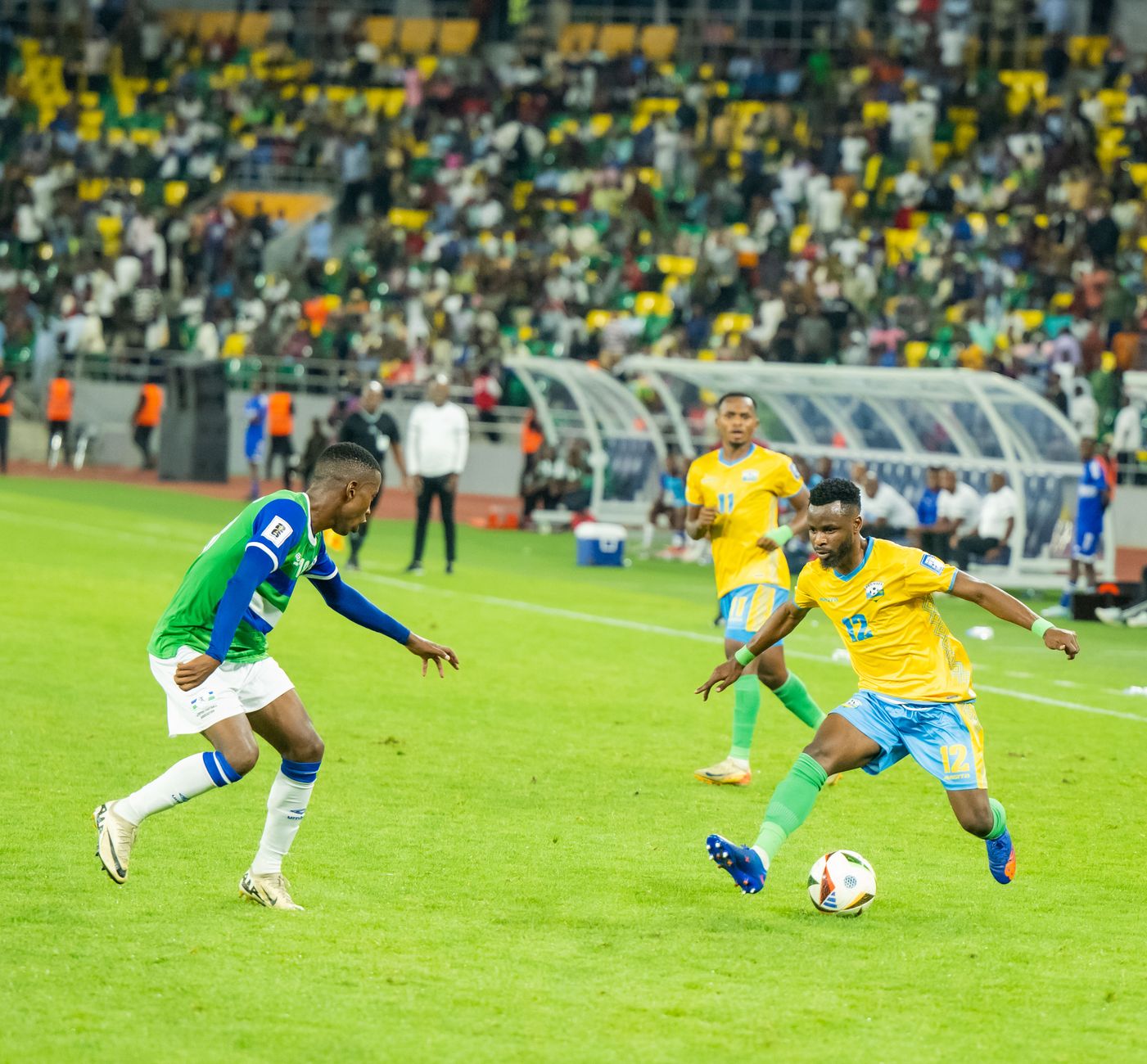
Photo by Faustin NKURUNZIZA on Pexels
Is Cabo Verde really Africa’s next breakout team?
Cabo Verde is a credible African football riser, but calling it the next guaranteed breakout team is premature. Its AFCON quarter-final runs in 2013 and 2023 prove competitiveness, while its lack of World Cup qualification proves the ceiling is still unconfirmed.
Most quick profiles get the Cabo Verde national football team wrong because they confuse improvement with inevitability. The Blue Sharks have benefited from a smart player pool strategy, drawing heavily from Cape Verdean communities in Lisbon, Rotterdam, Paris, and other European football hubs. According to the team profile on Wikipedia, the side competes under the Cape Verdean Football Federation and has built its modern identity through CAF qualification campaigns, friendly results, and AFCON tournament appearances. That sounds impressive, but a skeptical read matters: occasional upsets do not equal stable elite status.
The real story is more interesting than hype. Cabo Verde’s advantage is not a golden generation in the classic Brazil 2002 or France 2018 sense; it is a recruitment and cohesion model that allows a small island nation to punch above population weight. For readers comparing African squads, see our [Internal Link: 2026 World Cup African qualifiers tactical guide]. Pitch Notes would frame the team as a “high-variance outsider”: dangerous when the defensive block holds, vulnerable when forced to chase. That distinction matters for previews, player props, and match-result markets.
Key reasons the Blue Sharks are respected:
- Strong diaspora player pipeline across European leagues
- Compact defensive structure in major tournaments
- Proven AFCON competitiveness in 2013 and 2023
- Dangerous transitions against possession-heavy opponents
- Emotional home support in Praia and across the diaspora
How does Cabo Verde handle World Cup-level pressure?
Cabo Verde handles pressure best by lowering the game’s tempo, defending narrow, and attacking quickly after turnovers. Against stronger opponents, the team is usually more believable as a spoiler than as a possession-dominant favorite.
This is where contrarian analysis becomes useful. Many previews treat World Cup qualification as a linear climb: good AFCON showing, then automatic global relevance. But FIFA World Cup qualification is less forgiving than AFCON group play because travel, squad availability, injuries, and opponent variety create repeated stress tests. FIFA describes its flagship tournament as bringing together member associations through a global qualifying structure; its competition materials emphasize that “qualification pathways vary by confederation,” a reminder that CAF routes are uniquely demanding. You can review official competition context through FIFA.
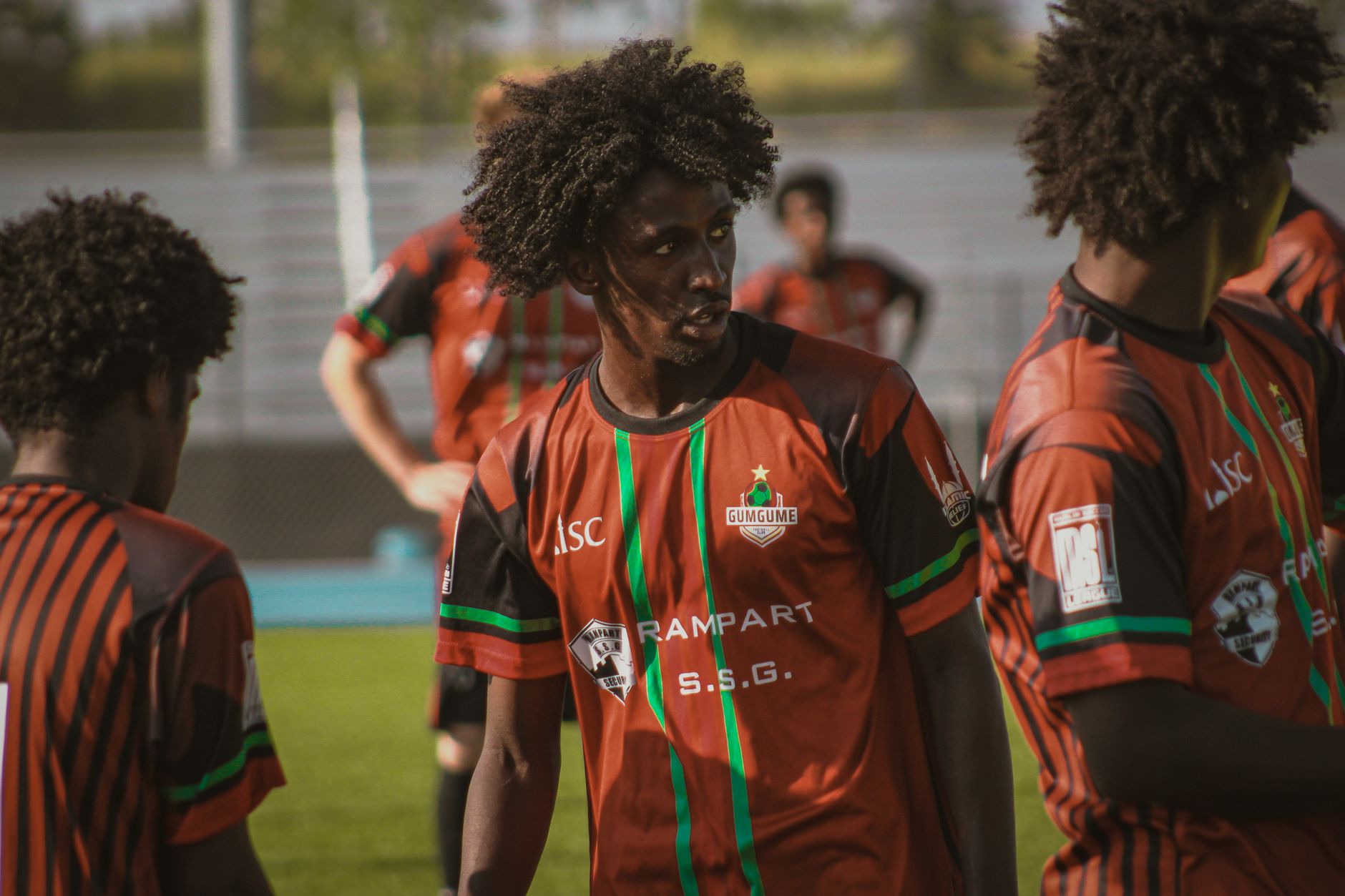
Photo by JB pictures on Pexels
Cabo Verde’s pressure profile is also tactical. Against teams such as Senegal, Morocco, Nigeria, or Egypt, the Blue Sharks cannot assume long spells of control. Instead, they need clean spacing between midfield and defense, disciplined full-backs, and efficient first passes into wide runners. A practitioner-level betting note: Cabo Verde’s best value often appears not in outright win markets, but in underdog handicap, low-total goals, or first-half resilience angles when the opponent is possession-heavy but slow to break compact lines.
For a deeper tactical comparison, check our [Internal Link: low-block football betting strategy]. The core question is not “Can Cabo Verde shock someone?” It can. The better question is “Can Cabo Verde repeat that level across six to ten high-pressure fixtures?” That is harder. Pitch Notes would downgrade the team slightly in congested windows because one suspended center-back or unavailable striker can alter the entire model.
See the details behind team-form evaluation before the 2026 cycle intensifies.
What about the diaspora advantage?
The diaspora advantage is real, but it is not a magic solution. Cabo Verde gains access to European-trained players, yet international chemistry, travel logistics, and club-release timing can still limit performance.
Cabo Verde’s player model deserves more attention than most ranking tables give it. A country with a small domestic population cannot build depth the same way Germany, Argentina, or England can. Instead, Cabo Verde draws on players developed in Portugal’s Primeira Liga ecosystem, Dutch academies, French lower divisions, and other European markets. The Confederation of African Football, through CAF Online, tracks AFCON participation and competition development across African member associations, showing how national-team growth increasingly depends on international player networks.
However, the edge comes with complications. Diaspora players may have different club calendars, language habits, tactical schooling, and injury-management expectations. A coach must compress identity-building into short FIFA windows, often with limited training time. That is why Cabo Verde can look coherent in one tournament and disjointed in the next friendly window. The public sees a badge and lineup; analysts should see a coordination problem.
Three overlooked operational details matter:
- Travel fatigue can be greater for Europe-based players returning to Atlantic island venues.
- Squad chemistry depends on repeat call-ups, not just talent on paper.
- Backup quality drops faster than it does for larger CAF nations.

Photo by Sandro Lopes Art on Pexels
That last point is the edge case many top-10 articles miss. Cabo Verde may field a starting XI capable of matching mid-tier World Cup opposition for 60 minutes, but tournament betting punishes weak benches. If the team concedes first after the hour mark, substitutions may not add enough creativity. For bettors and analysts, the in-play trigger is clear: watch whether Cabo Verde’s second-half changes preserve structure or simply add bodies.
Where does Cabo Verde fail?
Cabo Verde fails when it must dominate possession, break down deep defenses, or replace key starters without losing balance. Its underdog tools are stronger than its favorite tools.
This is the uncomfortable part. The Blue Sharks are easier to praise when facing bigger names, because their strengths suit resistance football. But when Cabo Verde plays a lower-ranked opponent that sits deep, the same transition weapons become less useful. The team can circulate the ball, but it does not always create enough high-quality central chances. That makes short prices risky, especially in qualifiers where a draw can feel like a defeat for public bettors.
Pitch Notes would flag four failure zones:
- Slow chance creation against compact opponents
- Limited bench impact in physically intense matches
- Overreliance on wide progression
- Set-piece defending under aerial pressure
Another under-discussed issue is market perception. After a strong AFCON campaign, casual bettors often overcorrect, treating Cabo Verde like a permanent dark horse. ESPN’s team pages compile scores, schedules, and match data for international sides, including Cape Verde results and highlights, but raw scorelines need context. A 0-0 draw against a powerhouse can be excellent; a 0-0 draw against a passive qualifier opponent can reveal attacking limits. Same score, different meaning.
[Internal Link: football match odds explained for beginners]
If you are analyzing Cabo Verde for 2026, avoid the lazy binary of “small nation miracle” versus “not good enough.” The more accurate model is opponent-dependent. Against technically superior teams, Cabo Verde can compress space and make the match ugly. Against compact underdogs, Cabo Verde must prove it has repeatable final-third patterns. That is still an open question.
Ready to compare Cabo Verde with other 2026 outsiders?
Should you try Cabo Verde analysis today?
Yes, you should analyze Cabo Verde today, but only with a matchup-first framework. The team is useful for value hunting, not for blind underdog enthusiasm or automatic upset picks.
The refined position is simple: Cabo Verde is not a gimmick, but it is not yet a bankable World Cup force. The Blue Sharks have earned respect through AFCON progress, diaspora recruitment, and tactical discipline. Still, 2026 analysis must separate emotional narratives from repeatable advantages. If your model cannot explain opponent style, travel context, player availability, and bench depth, it is not really analyzing Cabo Verde; it is just reacting to a good story.
Use this quick checklist before forming a view:
- Is Cabo Verde the underdog or expected to control the ball?
- Are the first-choice center-backs and midfield screen available?
- Does the opponent defend deep or press high?
- Is the match inside a congested international window?
- Are betting markets pricing reputation rather than role?
For daily 2026 World Cup coverage, Pitch Notes treats teams like Cabo Verde as serious tactical subjects rather than decorative underdogs. That is the better lens. The Blue Sharks can punish careless opponents, frustrate favorites, and produce valuable betting angles. But the strongest conclusion is measured: Cabo Verde deserves attention, not automatic belief.

Photo by Franco Monsalvo on Pexels
Build a smarter 2026 World Cup shortlist with evidence, not hype.
Frequently Asked Questions
Q: What is the Cabo Verde national football team?
A: The Cabo Verde national football team is the men’s national team representing Cape Verde in FIFA and CAF competitions. It is commonly nicknamed the Blue Sharks and is governed by the Cape Verdean Football Federation. The team is best known for AFCON quarter-final runs in 2013 and 2023.
Q: Has Cabo Verde ever qualified for the FIFA World Cup?
A: No, Cabo Verde has not yet played in a FIFA World Cup final tournament. The team has become more competitive in African qualifying, but CAF qualification remains extremely difficult. For 2026, analysts should watch consistency, squad depth, and results against direct group rivals.
Q: How should fans analyze Cabo Verde before betting?
A: Fans should analyze Cabo Verde by opponent style, not by reputation alone. The team is more convincing when defending compactly against stronger sides than when breaking down deep blocks. Check injuries, travel, starting XI strength, and whether the market has overvalued recent AFCON form.
Q: Is Cabo Verde better than other African underdogs?
A: Cabo Verde is better organized than many underdogs, but not automatically stronger in every matchup. Its diaspora-based squad gives it technical quality, while smaller depth creates risk over long campaigns. Compared with larger CAF nations, Cabo Verde’s first XI can compete, but its bench is usually the concern.
Q: What are Cabo Verde’s biggest tactical problems?
A: Cabo Verde’s biggest tactical problems are chance creation against defensive opponents and limited squad depth. When the team cannot counterattack into space, it may struggle to generate central, high-value shots. Late-game substitutions can also reduce structure if key starters are unavailable.
Q: Where can I follow Cabo Verde team news?
A: You can follow Cabo Verde through FIFA, CAF, ESPN, federation updates, and specialist sites such as Pitch Notes. For betting or tournament previews, combine official fixtures with tactical analysis and injury tracking. Do not rely only on final scores, because context changes the meaning of results.
Thank you for reading.
Pitch Notes · Latest Insights