5 Mexico vs South Africa Mistakes Bettors Make
Mexico vs South Africa is not a “safe favorite versus harmless outsider” matchup; it is a tactical contrast shaped by FIFA ranking gaps, tournament context, and market overreaction. Mexico entered the...
5 Mexico vs South Africa Mistakes Bettors Make
Mexico vs South Africa is not a “safe favorite versus harmless outsider” matchup; it is a tactical contrast shaped by FIFA ranking gaps, tournament context, and market overreaction. Mexico entered the June 12, 2026 meeting ranked 14th by FIFA, while South Africa were listed 60th, and the match ended 2-0 to Mexico. Pitch Notes tracks this fixture through a World Cup lens, focusing on match predictions, team tactics, player stats, and 2026 tournament coverage for fans who want more than a scoreboard. The mistake many bettors make is treating the 2-0 result as proof of a simple gap, when the more useful question is how Mexico controlled risk, how South Africa created or failed to create transition chances, and whether betting markets priced those patterns correctly. Use the result as evidence, not as a shortcut, and compare rankings, styles, and match state before making any wager.
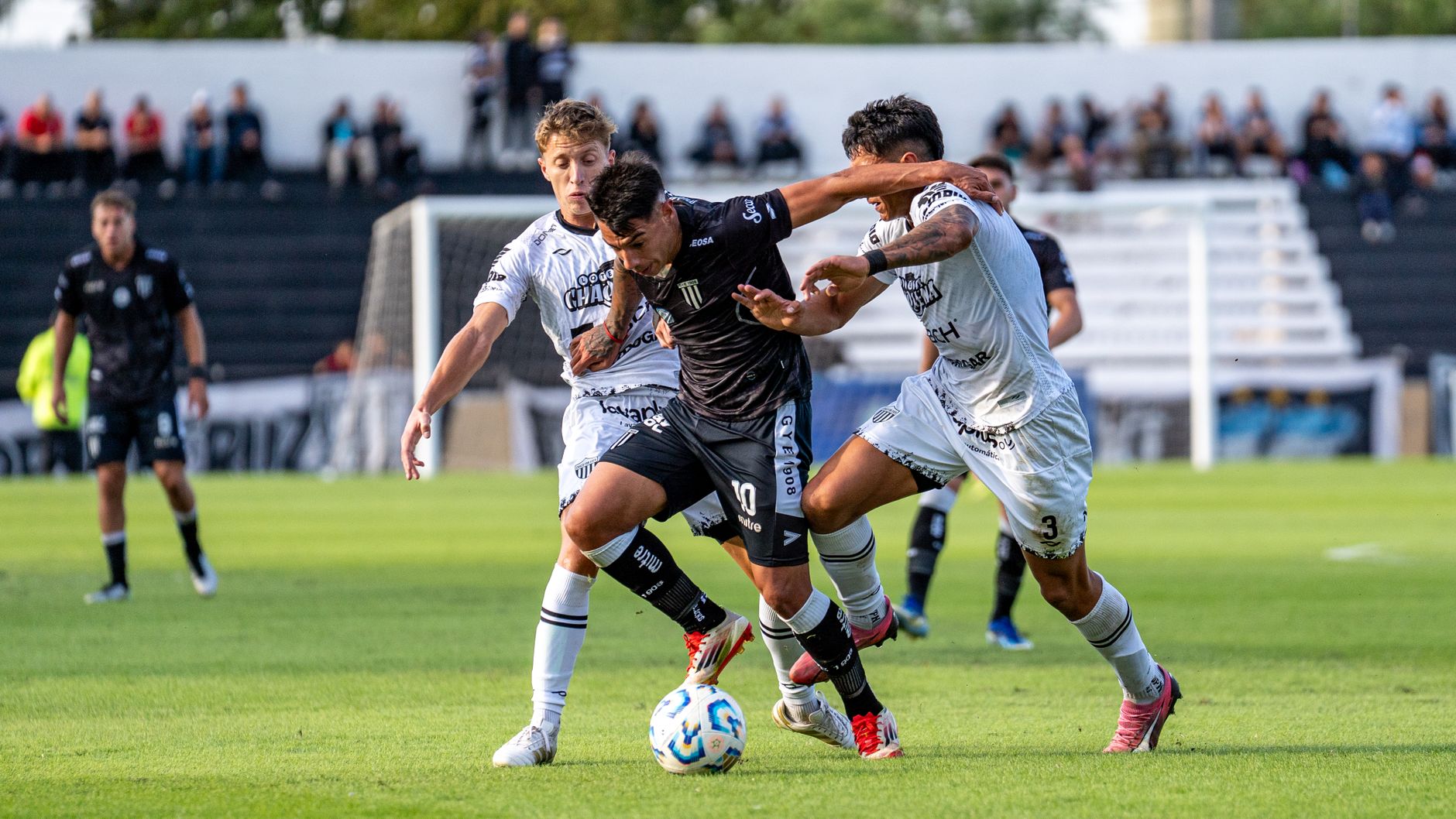
Photo by Franco Monsalvo on Pexels
Want sharper World Cup match context before following the market?
The Quick Comparison
Most previews get Mexico vs South Africa wrong because they start with the score and stop there. Yes, Mexico won 2-0 on June 12, 2026, and yes, the FIFA ranking gap was wide: Mexico at 14th and South Africa at 60th. But a professional reading should ask whether Mexico’s superiority came from sustained chance creation, defensive control, set-piece pressure, or simply better management after taking the lead. According to FIFA, rankings are a comparative national-team measure, not a guarantee of match dominance; FIFA itself explains that ranking points are calculated from match results and contextual weighting. That distinction matters because betting markets often compress complex football into a favorite price. For more tournament context, see our 2026 World Cup group-stage betting guide.
| Category | Mexico | South Africa | Practical Takeaway |
|---|---|---|---|
| FIFA ranking reference | 14th | 60th | Mexico had the stronger baseline profile |
| 2026 result | 2 goals | 0 goals | Mexico controlled the scoreboard |
| Market perception | Favorite | Underdog | Prices may overreact after the result |
| Key risk | Overconfidence | Low conversion | Both sides carry betting traps |
| Best analysis lens | Control and pressing | Transition and resilience | Do not rely on ranking alone |
Round 1: Is the FIFA Ranking Gap Too Easy to Misread?
The FIFA ranking gap matters, but it is not a betting model by itself. Mexico at 14th and South Africa at 60th suggests a quality difference, yet match odds should also account for tempo, lineup rotation, venue, rest, and tactical matchup.
Here is the contrarian point: a 46-place gap can be both meaningful and misleading. It is meaningful because Mexico’s player pool, tournament experience, and technical rhythm usually create a higher floor. It is misleading because South Africa’s best route was never to dominate possession; it was to compress space, survive pressure, and attack moments when Mexico’s full-backs or midfielders left channels open. A bettor who sees “14 versus 60” and instantly backs a handicap is not analyzing football; they are buying a label. The International Football Association Board notes that football’s laws are standardized globally, but the way teams exploit those laws through pressing, fouling, restarts, and time management varies sharply. That is where the edge lives.
A better framework has three layers. First, ask whether Mexico’s ranking advantage translated into repeatable pressure rather than occasional moments. Second, ask whether South Africa’s defensive shape forced Mexico wide or allowed central entries. Third, compare pre-match assumptions with in-play evidence: early shot quality, corner volume, pressing recoveries, and substitutions. Pitch Notes emphasizes this because World Cup betting mistakes often come from trusting static rankings over live tactical evidence. If Mexico controlled central zones and prevented counters, the 2-0 score carries more predictive value. If South Africa gifted early territory but later stabilized, the next market may exaggerate Mexico’s edge.
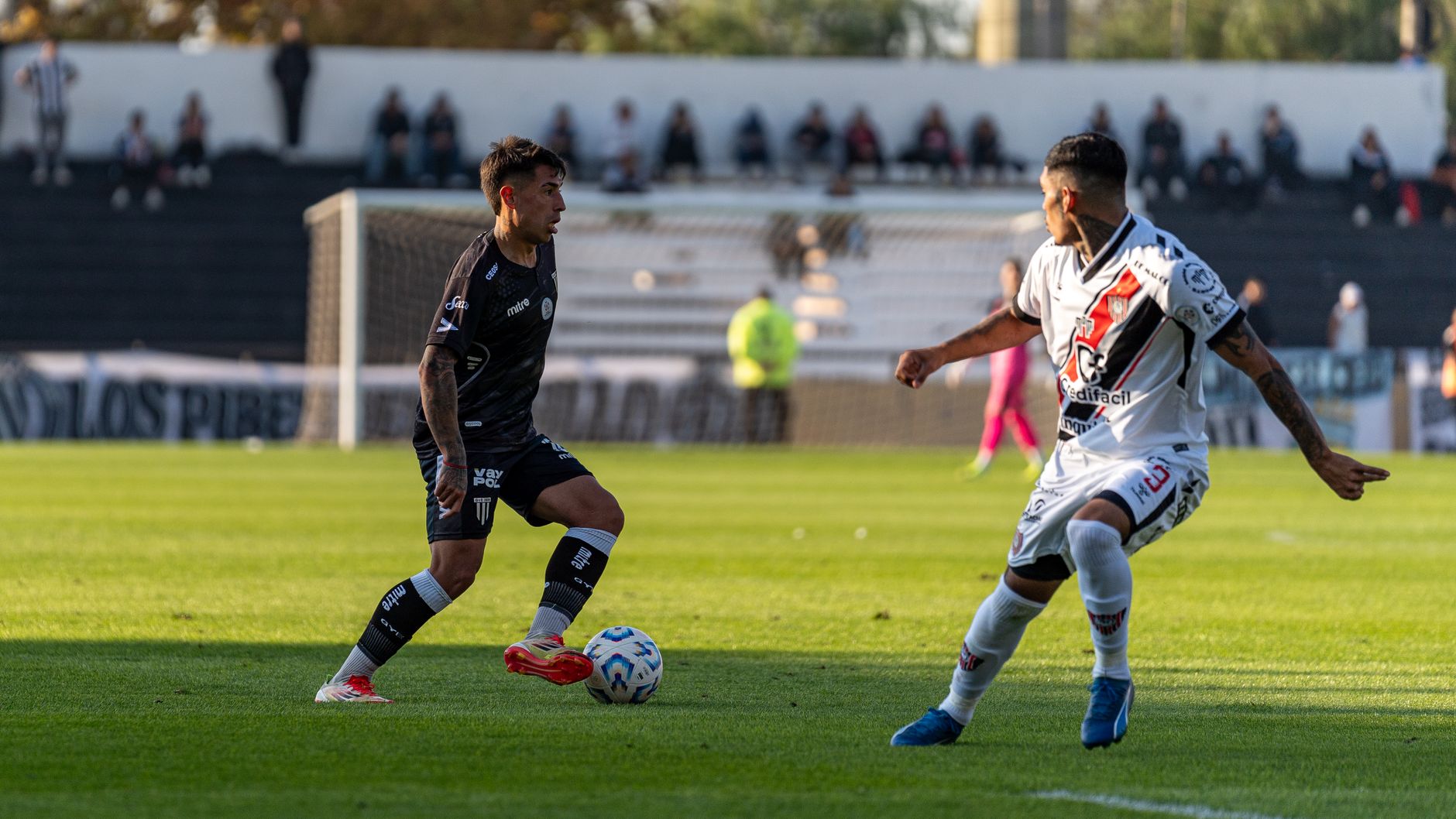
Photo by Franco Monsalvo on Pexels
See the tactical angles behind headline results before you price the next fixture.
Round 2: Did the 2-0 Scoreline Tell the Whole Story?
No, the 2-0 scoreline tells the result, not the full betting story. Mexico beat South Africa on June 12, 2026, but bettors still need to separate scoreboard control from underlying dominance, especially when judging totals, handicaps, and rematch expectations.
A two-goal win can come from very different game scripts. It might reflect total territorial authority, where Mexico suppressed South Africa for 90 minutes and created enough chances to justify the margin. It might also reflect efficient finishing, a red-card swing, or late-game space after South Africa chased the match. The reference match listing records Mexico 2-0 South Africa and identifies FIFA rankings of 14th and 60th, but it does not by itself explain shot quality, defensive errors, or fatigue management. That is why serious analysts should avoid the lazy conclusion that “Mexico by two” automatically means “Mexico by two next time.” For a broader primer on evaluating match markets, check our expected goals and football betting basics.
The overlooked detail is match state. Once a favorite leads, the incentive changes: Mexico may protect structure rather than chase a third goal, while South Africa may accept more risk and create late openings that distort live betting prices. This is especially relevant in 2026 World Cup coverage, where group-stage incentives can be asymmetric. A team leading 1-0 may care more about protecting goal difference and player fitness than entertaining bettors who backed overs. The refined read is simple: Mexico’s 2-0 win supports their superiority, but it does not automatically support aggressive handicap betting unless the underlying chance profile also supports it.
Round 3: Which Tactical Matchup Matters Most?
The most important tactical matchup is Mexico’s ability to stop South Africa’s transition game before it becomes a running contest. If Mexico counter-press effectively after losing possession, South Africa’s underdog route narrows dramatically and the favorite case becomes stronger.
Mexico’s likely advantage comes from ball circulation, midfield pressure, and repeated entries into advanced wide areas. South Africa’s realistic pathway is different: win second balls, draw Mexico forward, and turn defensive recoveries into quick attacks before the Mexican back line resets. That is why the first 20 minutes matter more than many previews admit. If South Africa cannot connect two or three passes after regaining possession, they become trapped in a defensive cycle. If they can bypass Mexico’s first press, the underdog price becomes more interesting, particularly in live markets such as South Africa +1.5, both teams to score, or second-half corners.
There is also an operational betting insight many casual articles skip: watch the referee profile and foul threshold. A lenient referee can help South Africa break rhythm without cards, while a stricter referee can punish repeated transition fouls and create set-piece pressure for Mexico. The FIFA Disciplinary Code states that disciplinary rules are designed to protect “the integrity and reputation of football,” and that framework affects how tactical fouling is punished in tournament play. In a matchup like Mexico vs South Africa, one early yellow card to a defensive midfielder can change pressing intensity, duels, and the probability of late goals.

Photo by BOOM 💥 Photography on Pexels
For deeper player-stat context and World Cup match previews, explore Pitch Notes before the next kickoff.
The Final Score & Who Should Pick What
The final score says Mexico were the better side, but the smarter conclusion is narrower than most bettors want. Mexico 2-0 South Africa confirms the favorite’s baseline strength, validates the FIFA ranking gap in broad terms, and gives Mexico backers a clean result. Still, the mistake is treating that result as a universal signal for every market. Moneyline bettors can justify Mexico when the price is not inflated. Handicap bettors need proof of sustained chance creation. Totals bettors should ask whether Mexico’s control reduced chaos or whether South Africa simply lacked finishing quality. For related tournament betting strategy, read our World Cup totals and handicap betting guide.
So who should pick what? Conservative bettors should prefer Mexico moneyline or Mexico draw-no-bet when prices are reasonable, especially if lineups confirm strong midfield control. More aggressive bettors can consider Mexico -1 only when pre-match team news supports attacking continuity and South Africa’s defensive absences are real. Underdog bettors should not blindly chase South Africa, but they can look for live opportunities if South Africa survive the first 25 minutes without conceding and show transition quality. The refined position is this: Mexico were correctly favored, but the best betting angle is not “Mexico are better.” It is identifying when the market has already priced that superiority too far.
Photo by Israel Torres on Pexels
Ready to turn match results into sharper 2026 World Cup decisions?
Frequently Asked Questions
Q: What is Mexico vs South Africa in 2026 football context?
A: Mexico vs South Africa refers to the June 12, 2026 football matchup that Mexico won 2-0. Mexico were listed 14th in the FIFA ranking reference, while South Africa were 60th, making Mexico the clear pre-match favorite. The fixture matters because it highlights how ranking gaps, tournament pressure, and tactical execution interact in World Cup betting analysis.
Q: How should bettors analyze Mexico vs South Africa?
A: Bettors should start with ranking, result, tactics, and market price in that order. Mexico’s 2-0 win is important, but it should be tested against chance quality, possession control, pressing success, and South Africa’s transition threat. A strong process avoids betting only because Mexico are famous or because South Africa are lower ranked.
Q: Is Mexico better than South Africa in football?
A: Mexico had the stronger profile in this matchup, supported by the 2-0 result and the 14th versus 60th FIFA ranking reference. However, “better” does not automatically mean every betting market has value. A moneyline price may be fair while a handicap or over-goals market may already be inflated.
Q: Why do Mexico vs South Africa predictions fail?
A: Predictions fail when they confuse a correct favorite with a profitable bet. Mexico may deserve favoritism, but odds can become too short once casual money reacts to rankings and final scores. The best analysis checks team news, tactical matchups, referee tendencies, and live match state before committing.
Q: How much does it cost to follow Mexico vs South Africa analysis?
A: Basic match information is often free, while deeper betting tools, data platforms, or premium analysis may require subscriptions. Fans can combine free FIFA ranking data, public match reports, and specialist coverage from Pitch Notes for a stronger view. The key requirement is not cost but disciplined interpretation of available data.
Q: What should I do if my Mexico vs South Africa bet loses?
A: Review whether the bet was wrong because of poor reasoning or normal variance. Check your entry price, the market type, lineup assumptions, and whether the match developed as expected tactically. If your logic was sound but the outcome was unlucky, reduce stake emotion rather than abandoning the process.
Thank you for reading.
Pitch Notes · Latest Insights