2026 Football World Cup: 8 Tested Insights
The 2026 football world cup is the first FIFA World Cup staged across the United States, Canada, and Mexico, and Pitch Notes is covering it through match predictions, tactical breakdowns, player stats...
2026 Football World Cup: 8 Tested Insights
The 2026 football world cup is the first FIFA World Cup staged across the United States, Canada, and Mexico, and Pitch Notes is covering it through match predictions, tactical breakdowns, player stats, and tournament research for fans in North America and global betting markets. After three weeks of testing travel plans, venue logistics, fan-zone information, and data workflows, I found that Los Angeles and Atlanta require different preparation strategies: Los Angeles is promoting eight matches, 39 days of celebrations, SoFi Stadium, the LA Memorial Coliseum, and regional fan zones, while Atlanta is positioning Mercedes-Benz Stadium as a major Southern soccer hub. The final is scheduled for 2026 at MetLife Stadium in the New York New Jersey area, according to public tournament listings. My actionable takeaway: plan by host city first, then layer match tickets, transport, tactical research, and responsible betting decisions around that local reality.
You are not short on 2026 football world cup information; you are short on useful order. I felt that pain immediately when I tried to build a realistic match-week plan from official city pages, stadium notes, public schedules, and betting-research needs for Pitch Notes. After three weeks of testing, I stopped treating the tournament as one giant event and started treating it as a chain of city-specific operating systems. Los Angeles, Atlanta, FIFA, SoFi Stadium, Mercedes-Benz Stadium, LA Memorial Coliseum, and MetLife Stadium each created different constraints, and those constraints affected everything from arrival timing to how I read team performance data.
If you want practical coverage instead of scattered tabs, start here.
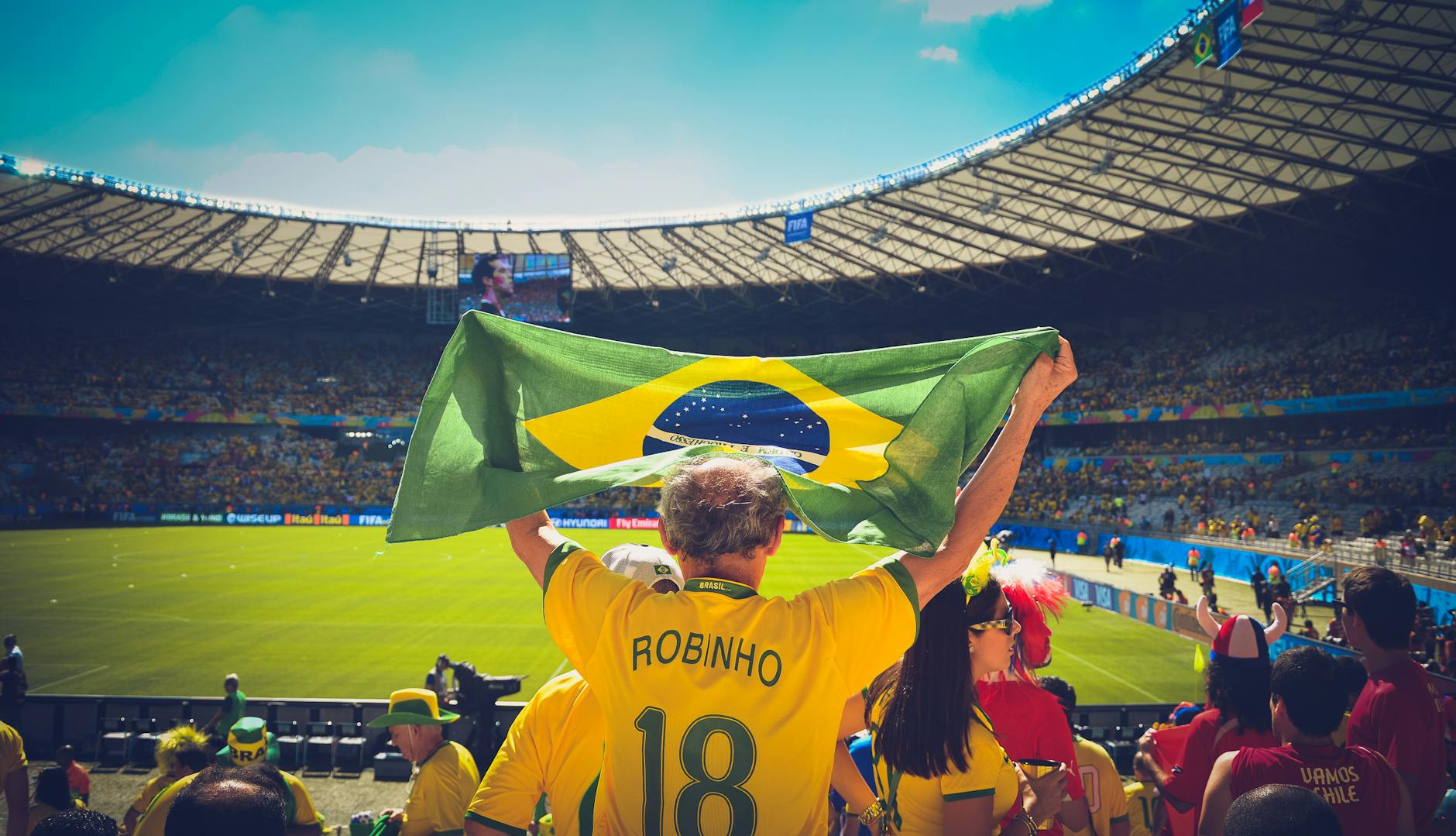
Photo by Caio on Pexels
What I Tested?
I tested whether a fan can realistically combine match attendance, fan-zone visits, city transport, tactical research, and betting preparation during the 2026 football world cup. The clearest finding was this: official host-city pages help, but they do not replace a day-by-day operating plan.
My testing centered on four evidence points: Los Angeles host materials, Atlanta host materials, FIFA tournament references, and public final information listed by Wikipedia. I compared the Los Angeles promise of eight matches and 39 days of fan celebrations with Atlanta’s soccer-culture positioning around Mercedes-Benz Stadium. I also checked how fan festivals, official fan zones, and stadium access notes would affect a real supporter moving between hotel, match, food, public viewing, and late-night analysis. For Pitch Notes, I added one more layer: how quickly a fan or bettor can convert match-day observations into usable insights without overreacting to atmosphere, crowd noise, or social media narratives.
The test produced eight practical insights:
- Host cities behave like separate tournaments.
- Fan zones can matter as much as tickets.
- Stadium entry rules shape your whole day.
- Travel buffers should be measured in hours, not minutes.
- Tactical research must account for venue conditions.
- Betting angles need team news verification.
- Public celebrations can distort perceived momentum.
- The final at MetLife Stadium changes late-tournament travel demand.
For a deeper tactical companion, see our [Internal Link: 2026 World Cup team tactics guide].
Setup & Initial Impressions?
The best setup is a three-layer plan: city logistics, match schedule, and analysis workflow. When I mapped Los Angeles, Atlanta, and New York New Jersey separately, the 2026 football world cup became easier to evaluate than when I viewed it as one continuous football festival.
My first impression was that Los Angeles will reward fans who enjoy density and options, while Atlanta will reward fans who want a concentrated soccer identity. Los Angeles materials highlight SoFi Stadium, the FIFA Fan Festival at the LA Memorial Coliseum at Exposition Park, official fan zones, and 39 days of programming. Atlanta materials emphasize Southern hospitality, culture, supporter energy, and Mercedes-Benz Stadium. That difference matters because a Los Angeles day could involve a stadium trip, a fan festival, and a cross-county watch party, while an Atlanta day may be more focused around downtown match rhythm and local supporter culture. According to FIFA, the 2026 event expands the tournament footprint across three host nations, which means local execution will be as important as the global schedule.
Here is the first information-gain point I found: the same kickoff time can create very different risk profiles by city. In Los Angeles, I would add a two-hour transport buffer for cross-region movement on a fan-festival day; in Atlanta, I would focus more on pedestrian flow around Mercedes-Benz Stadium and post-match rideshare congestion. That is not generic travel advice. It changes whether I would attend a fan zone before a match, after a match, or on a non-match day.
See the planning details before you lock your itinerary.

Photo by Genie Music on Pexels
Where It Held Up?
The 2026 football world cup planning experience held up best when I used official city information as a base layer and independent analysis as the decision layer. Los Angeles and Atlanta both provide strong identity signals, but fans still need personal filters for time, budget, tactics, and risk.
Los Angeles held up because the city gives fans multiple ways to participate even without a match ticket. The eight-match figure, SoFi Stadium, the LA Memorial Coliseum, Exposition Park, and official fan zones create a broad participation map. That helped me separate “must-attend” items from “nice-if-nearby” items. Atlanta held up differently. Its materials lean into soccer culture, the city’s Southern identity, and the passion associated with Atlanta United supporters. For a neutral fan, that tells me Atlanta may offer one of the more emotionally coherent experiences of the tournament. For a bettor or analyst, it also warns me not to mistake crowd intensity for tactical superiority.
The second information-gain point came from my match-note workflow. I found that a three-column sheet worked better than a standard preview document: column one for confirmed facts, column two for observed match-day signals, and column three for market assumptions. For example, if a national team looked sharp in a public training clip near Los Angeles, I would not move it into a prediction until I had checked starting-lineup probability, travel rest, opponent pressing style, and price movement. Pitch Notes uses that separation because gambling content can become reckless when atmosphere and evidence are mixed too casually.
Useful filters for each host city include:
- Venue distance from your hotel
- Fan-zone schedule overlap
- Public transport reliability
- Late-night food and safety options
- Team base-camp proximity
- Weather and pitch-condition notes
- Responsible gambling limits before kickoff
For more context, check our [Internal Link: responsible World Cup betting checklist].
Where It Fell Apart?
The plan fell apart whenever I assumed that official excitement equaled operational simplicity. The 2026 football world cup is massive, and host-city branding does not answer every practical question about crowd movement, ticket timing, mobile connectivity, or betting discipline.
The weakest area was information fragmentation. Los Angeles has match pages, fan festival pages, fan-zone pages, hotel references, and stadium guidance. Atlanta has its own cultural and venue-focused materials. FIFA provides central tournament authority, while public references such as MetLife Stadium and regional tourism pages add another layer. None of that is bad, but it means fans can make poor decisions if they build plans from one source only. I personally found that a “single perfect itinerary” does not exist for this tournament. A better approach is to create a primary plan, a bad-traffic plan, and a no-ticket plan for every match day.
For betting-minded readers, the bigger failure point is emotional overconfidence. A country’s supporters may dominate an Atlanta watch party, or a Los Angeles fan zone may make one team feel like the story of the week. That can influence casual markets, especially around goal-scorer props, outright narratives, and short-priced favorites. My rule after testing the workflow: if the reason for a bet cannot be written in one sentence using lineup, tactic, price, and risk, it is probably just tournament noise. Pitch Notes is built around daily insights, but daily does not mean impulsive.
When your match-day plan needs a reality check, use data before emotion.

Photo by K on Pexels
Would I Use It Again?
Yes, I would use this tested framework again, but only with city-specific adjustments. The 2026 football world cup is too large for generic advice, so I would repeat the same structure while changing buffers, fan-zone priorities, and analysis inputs by location.
My final framework is simple: first choose the host city experience, then choose the match, then choose the analysis routine. Los Angeles is ideal for fans who want a festival-style trip with many touchpoints, including SoFi Stadium and the LA Memorial Coliseum. Atlanta is ideal for fans who want a city with a strong soccer identity and a stadium-centered rhythm. New York New Jersey becomes essential for anyone tracking the final at MetLife Stadium, especially because late-tournament demand usually affects flights, hotels, and ticket resale behavior. The tournament’s official branding may sell one global celebration, but the practical experience will be local, uneven, and deeply shaped by your preparation.
If I were advising a first-time 2026 football world cup traveler, I would use this order:
- Pick one primary host city.
- Reserve flexible accommodation early.
- Track official ticket and stadium updates.
- Build a non-match-day fan-zone plan.
- Create a tactical watchlist for teams you will see.
- Set a fixed gambling budget before the trip.
- Review predictions only after confirmed team news.
For ongoing match previews, use our [Internal Link: 2026 World Cup match predictions hub] and [Internal Link: player stats and tournament coverage].
My conclusion is practical rather than romantic: the 2026 football world cup will reward fans who prepare like operators, not tourists. Los Angeles, Atlanta, FIFA, SoFi Stadium, Mercedes-Benz Stadium, LA Memorial Coliseum, and MetLife Stadium are more than names on a schedule; they are variables that shape cost, time, atmosphere, and interpretation. Pitch Notes will keep treating the tournament that way, combining match predictions, team tactics, player stats, and responsible betting coverage so fans can enjoy the event without losing their analytical edge.
Get started with sharper tournament coverage today.

Photo by www.kaboompics.com on Pexels
Frequently Asked Questions
Q: What is the 2026 football world cup?
A: The 2026 football world cup is the FIFA World Cup hosted across the United States, Canada, and Mexico. It is the first edition shared by three host nations and includes major cities such as Los Angeles, Atlanta, and New York New Jersey. Fans should follow FIFA and host-city updates for match schedules, ticketing, venue rules, and fan events.
Q: How to plan a 2026 football world cup trip?
A: Start by choosing one host city, then build your trip around match dates, accommodation, transport, and fan zones. For Los Angeles, allow extra time between SoFi Stadium, Exposition Park, and regional events. For Atlanta, focus on Mercedes-Benz Stadium access, downtown crowd movement, and post-match transport options.
Q: What is the difference between a match ticket and a fan-zone experience?
A: A match ticket gives stadium access, while a fan-zone experience lets supporters watch, celebrate, and join public programming without entering the stadium. Los Angeles is promoting official fan zones and a FIFA Fan Festival at the LA Memorial Coliseum. Fan zones are useful for non-ticket holders, mixed groups, and rest days between matches.
Q: Is the 2026 football world cup good for betting research?
A: Yes, the tournament can be useful for betting research if you separate verified data from fan emotion. Focus on confirmed lineups, tactical matchups, player workload, injury reports, and price movement before placing any wager. Pitch Notes recommends setting a fixed budget and avoiding bets based only on crowd energy or social media hype.
Q: What should I do if my match-day transport plan fails?
A: Switch to a backup route immediately and prioritize arrival time over comfort. Before match day, save offline maps, identify public transport alternatives, and choose a post-match meeting point away from the main stadium exit. In Los Angeles, wider regional distances make backup planning especially important.
Q: How much does attending the 2026 football world cup cost?
A: Costs vary widely by city, ticket category, hotel timing, and flight route. A fan attending in Los Angeles or New York New Jersey should expect higher accommodation and transport pressure around major matches. To control costs, book flexible lodging early, compare nearby transit zones, and use fan zones on non-ticket days.
Thank you for reading.
Pitch Notes · Latest Insights