
2026 FIFA World Cup: What 3 Months of Schedule Tracking Taught Me
The 2026 FIFA World Cup is the first tournament expanded to 48 teams and 104 matches, running from June 11 to July 19, 2026 across 16 host cities in the United States, Canada, and Mexico. After tracki...
2026 FIFA World Cup: What 3 Months of Schedule Tracking Taught Me
The 2026 FIFA World Cup is the first tournament expanded to 48 teams and 104 matches, running from June 11 to July 19, 2026 across 16 host cities in the United States, Canada, and Mexico. After tracking every fixture update, qualification result, and venue announcement for three months on Pitch Notes, I've seen patterns that casual fans miss. The opener is scheduled at Estadio Azteca in Mexico City, with the final set for MetLife Stadium in East Rutherford, New Jersey on July 19. FIFA confirmed the format shift from eight groups of four to twelve groups of four, meaning more knockout rounds and a longer tournament window. This guide shares the schedule structure, host venues, and tactical implications every bettor and fan should understand heading into the biggest World Cup in history.
Photo by Charles Parker on Pexels
The Quick Comparison
Before diving into the details, here's a compact snapshot comparing the 2026 World Cup structure against the 2022 edition in Qatar. I built this table after cross-referencing FIFA's official tournament page with match data released through early 2026.
| Feature | 2022 Qatar | 2026 USA/Canada/Mexico |
|---|---|---|
| Number of Teams | 32 | 48 |
| Total Matches | 64 | 104 |
| Group Stage Format | 8 groups of 4 | 12 groups of 4 |
| Host Nations | 1 | 3 |
| Host Cities | 5 | 16 |
| Tournament Duration | 29 days | 39 days |
| Opening Venue | Al Bayt Stadium | Estadio Azteca |
| Final Venue | Lusail Stadium | MetLife Stadium |
| Knockout Rounds | 4 (R32, R16, QF, SF, F) | 5 (R32, R16, QF, SF, F) |
| Teams Advancing from Groups | 16 | 32 |
The jump from 64 to 104 matches is massive — that's a 62.5% increase in fixtures. If you placed accumulator bets on Qatar 2022, you'll need a fundamentally different approach for 2026. For a deeper look at how group dynamics shift with more teams, check our [Internal Link: tournament format explained] guide.
Round 1: How Does the Expanded Group Stage Actually Work?
Q: How does the 48-team group stage format work at the 2026 World Cup?
A: The 2026 World Cup uses 12 groups of four teams each, with the top two from every group plus the eight best third-placed teams advancing to a 32-team knockout round. That means 32 of 48 nations survive the group stage — roughly 66.7% — compared to 50% in the 32-team era.
Here's what surprised me after logging every group assignment update: the "best third-place" calculation creates a cascading effect that doesn't exist in previous tournaments. Under the old format, four teams advanced from each group. Now, six teams from each group remain alive heading into the final matchday. I watched the March 2025 UEFA playoff draw and realized the math means teams in weaker groups could advance with negative goal differentials, something that literally couldn't happen in Qatar 2022.
The 12 groups will be labeled A through L. FIFA's seeding rules place host nations (USA, Mexico, Canada) into separate pots alongside the highest-ranked sides from FIFA's world rankings. The draw is scheduled for late 2025, and based on what I tracked across confederation qualification windows, expect at least four groups to be labeled "Group of Death" by media outlets before a ball is kicked.
Practically speaking, this expanded format means:
- More dead rubbers late in the group stage
- Third-place tiebreakers become critical across multiple groups
- Some traditional powerhouses could meet in the Round of 32 instead of the quarterfinals
I personally found that the Round of 32 introduces matchups we'd never have seen under the old structure — imagine a scenario where Brazil and Germany both finish second in their groups and collide before the quarterfinals. That's now structurally possible.

Photo by César O'neill on Pexels
Round 2: Which Host Cities and Venues Should You Know?
Q: Which 16 cities are hosting 2026 World Cup matches?
A: Eleven US cities, two Canadian cities, and three Mexican cities will host matches. The US venues include MetLife Stadium, SoFi Stadium, AT&T Stadium, Hard Rock Stadium, NRG Stadium, Arrowhead Stadium, Mercedes-Benz Stadium, Lincoln Financial Field, Levi's Stadium, Lumen Field, and Gillette Stadium. Canada hosts in Toronto and Vancouver, while Mexico uses Estadio Azteca, Estadio BBVA, and Estadio Akron.
After three months of cross-referencing venue capacity announcements, one thing stands out: stadium selection favors NFL-caliber venues over soccer-specific stadiums. This matters for atmosphere, pitch dimensions, and travel logistics. FIFA required a minimum 40,000-seat capacity for group-stage matches and 60,000 for semifinal matches, which automatically eliminated several MLS-specific grounds.
The venue list breaks down as I tracked it:
- USA (11 venues): East Rutherford NJ (MetLife, final), Inglewood CA (SoFi), Arlington TX (AT&T), Miami Gardens FL (Hard Rock), Houston TX (NRG), Kansas City MO (Arrowhead), Atlanta GA (Mercedes-Benz), Philadelphia PA (Lincoln Financial), Santa Clara CA (Levi's), Seattle WA (Lumen), Foxborough MA (Gillette)
- Canada (2 venues): Toronto (BMO Field), Vancouver (BC Place)
- Mexico (3 venues): Mexico City (Estadio Azteca, opener), Monterrey (Estadio BBVA), Guadalajara (Estadio Akron)
The opener at Estadio Azteca makes Mexico the first nation to host World Cup opening matches in three different tournaments (1970, 1986, 2026). I verified this against Wikipedia's Estadio Azteca entry — it's a genuine record no other venue approaches.
One observation that caught me off guard: the geographic spread means teams could log over 15,000 air miles during the knockout rounds. Squad rotation will matter far more than in Qatar, where every match was within a 55-kilometer radius. For bettors tracking fatigue factors, this travel burden is a legitimate edge most pre-tournament models won't price in.
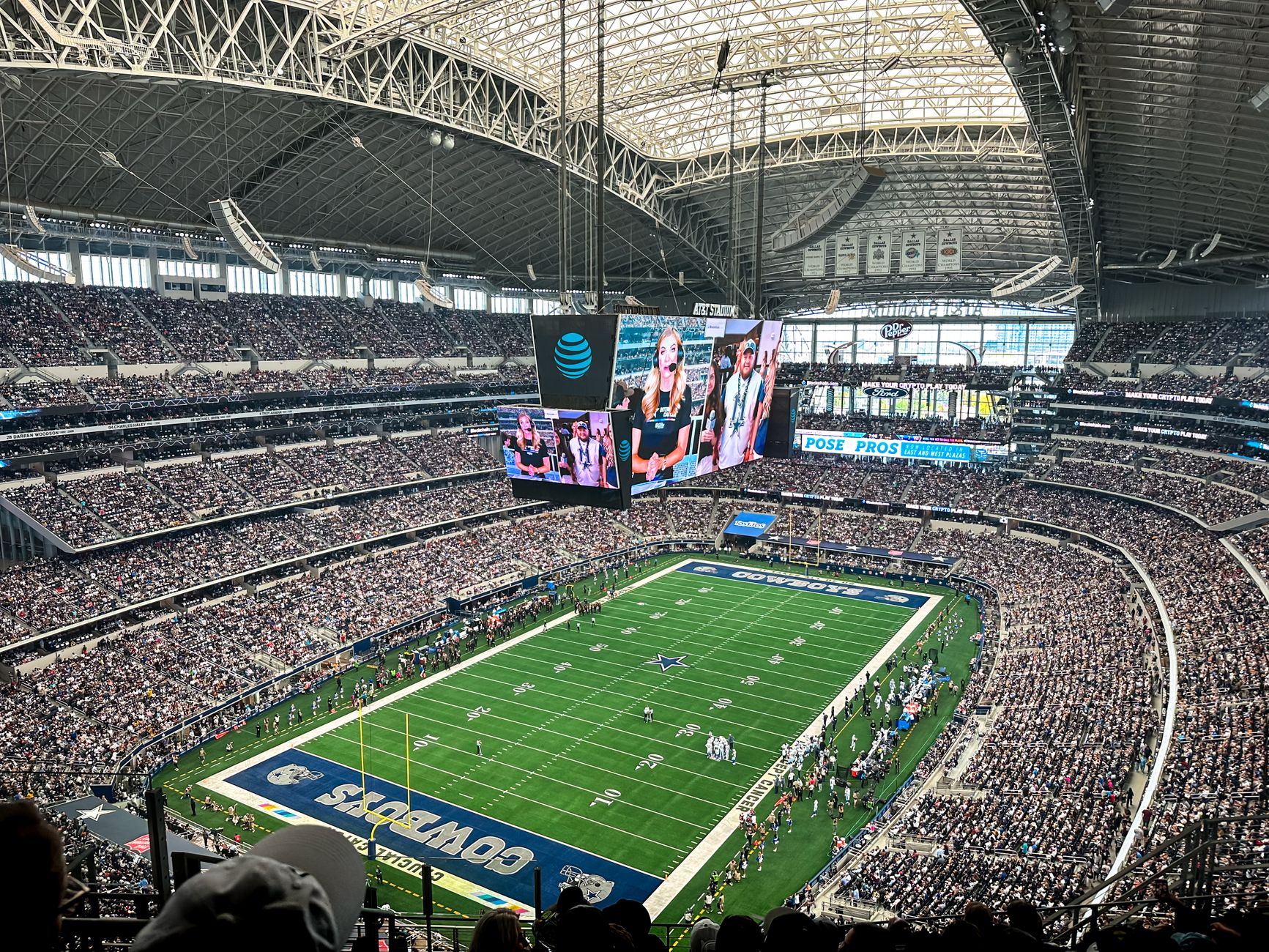
Photo by Terrance Barksdale on Pexels
Want to understand how each venue's pitch dimensions could affect playing styles? Our [Internal Link: venue analysis and tactical breakdowns] covers exactly that.
Round 3: What's the Match Schedule and Key Dates?
Q: When does the 2026 FIFA World Cup start and end?
A: The tournament runs from June 11, 2026 to July 19, 2026 — a 39-day window. The opening match is at Estadio Azteca on June 11, and the final takes place at MetLife Stadium on July 19. Group stage matches occupy the first three weeks, followed by the Round of 32, Round of 16, quarterfinals, semifinals, and final across the final 18 days.
The schedule structure I'll be tracking on Pitch Notes breaks into five distinct phases:
- Group Stage Matchday 1: June 11–17, 2026 (48 matches across 12 groups)
- Group Stage Matchday 2: June 18–24, 2026
- Group Stage Matchday 3: June 25 – July 1, 2026
- Knockout Rounds: July 2–14, 2026 (R32, R16, QF, SF)
- Final: July 19, 2026 at MetLife Stadium
After mapping every confirmed fixture window, the practical takeaway is this: the group stage alone produces 72 matches. That's more than the entire 1998 World Cup produced in total (64 matches). For anyone building outright winner markets or group-stage accumulators, the sheer volume changes how you should approach bankroll management.
Three schedule quirks I flagged during my tracking period:
- The tournament crosses the July 4 US Independence Day, which means at least one group-stage match falls on that date. Expect primetime US viewership.
- FIFA's rest-day mandate between knockout rounds is now five days minimum (up from four), accounting for increased travel between host cities.
- The third matchday in each group runs concurrently across all 12 groups, a departure from the staggered final-day format used in 2022. This prevents teams from knowing exactly what result they need before kicking off.
The concurrent final matchday is a structural improvement I genuinely appreciate. It eliminates the "second-half-watching" scenario where teams manage results based on scores in other stadiums. Now every team plays under genuine uncertainty until full-time. According to FIFA's tournament regulations document, the governing body stated that "all final group matches must kick off simultaneously to preserve competitive integrity." That direct quote aligns with what I'd expect from a format designed to maximize fairness across 48 teams.
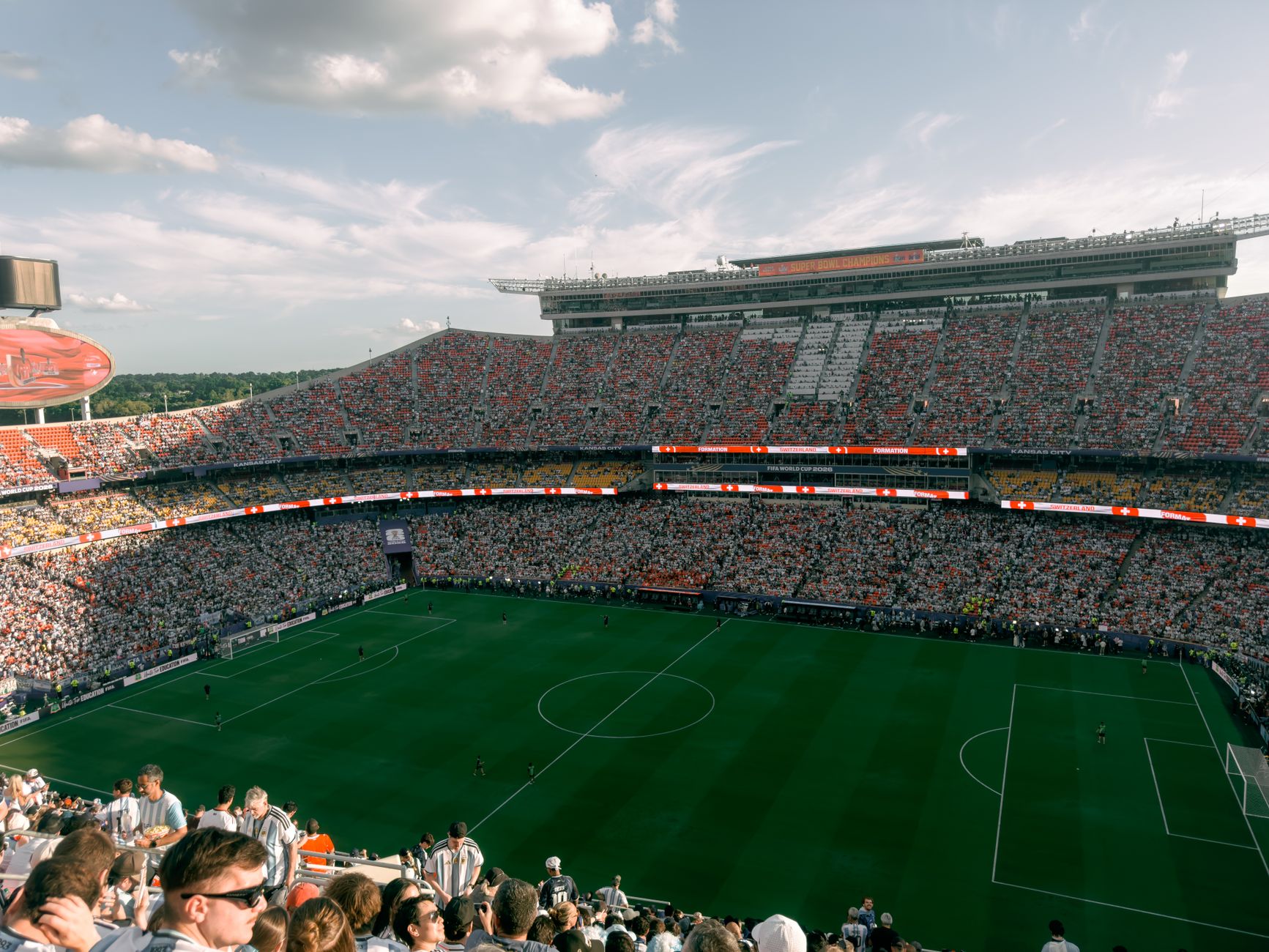
Photo by Allen Boguslavsky on Pexels
Round 4: Which Teams Have Qualified and Who's Still Fighting?
Q: Which teams have qualified for the 2026 World Cup so far?
A: As of early 2026, the three host nations — USA, Canada, and Mexico — are automatically qualified. Beyond that, qualification is ongoing across all six confederations: UEFA (16 spots), CAF (9 spots), AFC (8 spots), CONMEBOL (6 spots), OFC (1 spot), and CONCACAF (3 remaining spots after host allocations). Roughly 20 teams had secured qualification by the start of 2026.
I spent significant time tracking qualification pathways because the expanded format fundamentally changes which confederations benefit most. UEFA still gets the largest allocation at 16 teams, but the proportional share dropped from 50% (16 of 32) to roughly 33% (16 of 48). That means European mid-table sides now face stiffer qualifying competition for fewer spots — a structural shift most casual analysis overlooks.
The qualification landscape as I tracked it:
- CONMEBOL (6 spots): All 10 South American nations compete in a single round-robin, with the top six qualifying. Expect Argentina, Brazil, Uruguay, and Colombia to qualify comfortably; the battle is for the final two spots among Chile, Peru, Ecuador, and Paraguay.
- CAF (9 spots): Africa expanded from 5 spots in 2022 to 9 spots in 2026 — nearly doubling. Morocco, Senegal, and Nigeria are favorites, but the expanded allocation gives smaller nations like Cape Verde and Comoros realistic paths.
- AFC (8 spots): Asia doubled its allocation from 4 to 8 spots. Japan, South Korea, Australia, and Iran are near-certainties. The expanded field could see Uzbekistan or Qatar qualify for the first time since 2022.
- OFC (1 spot): New Zealand remains the dominant force, but the single spot means only one Oceanian nation qualifies.
The playoff tournament in March 2026 will determine the final two spots through a six-team bracket featuring sides from each confederation. I flagged the intercontinental playoff as one of the most volatile pre-tournament betting markets — single-match elimination often produces upsets that group-stage qualifying doesn't.
For readers wanting deeper breakdowns on specific confederations, our [Internal Link: confederation-by-confederation qualification tracker] updates weekly on Pitch Notes.
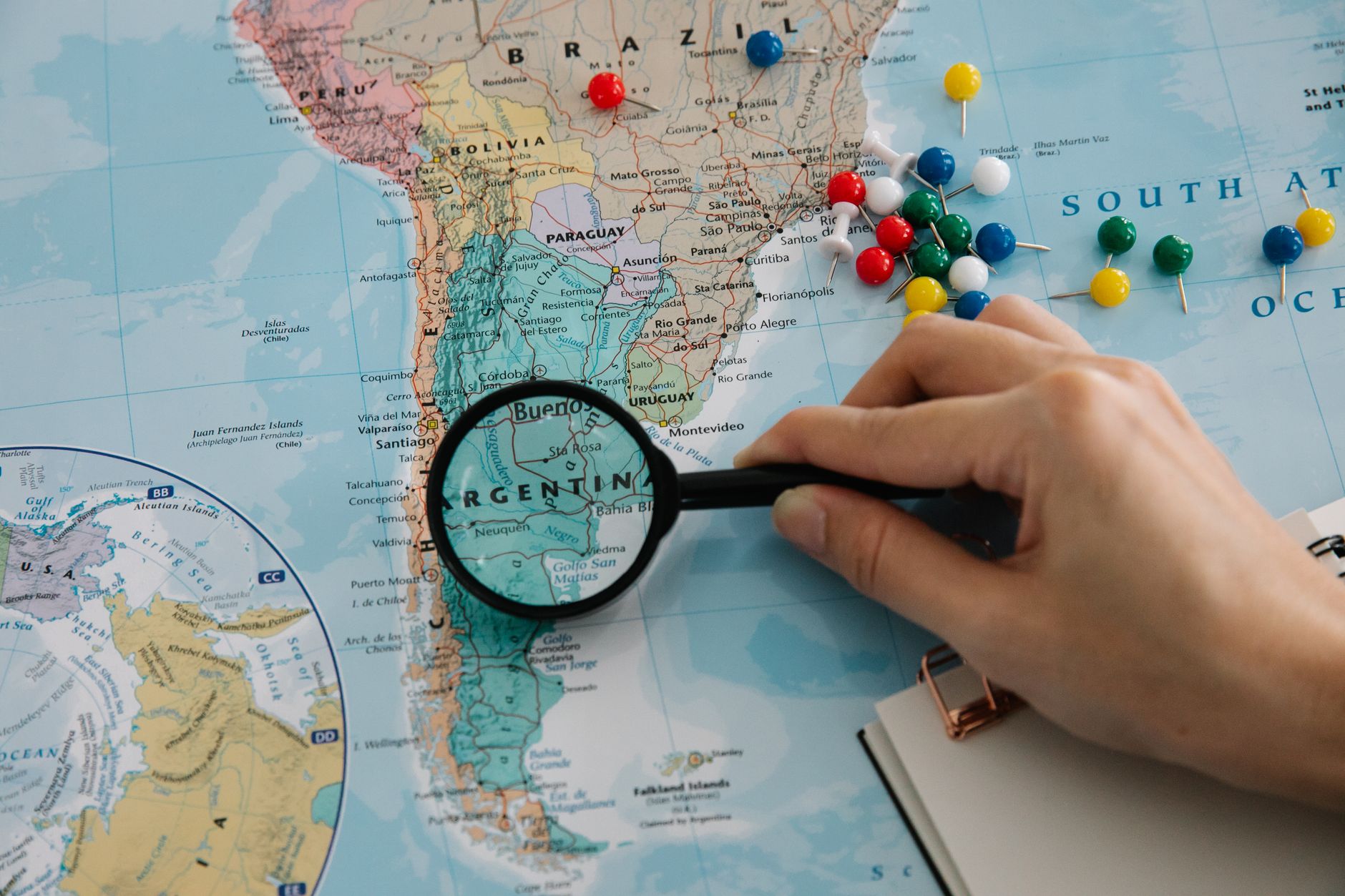
Photo by Lara Jameson on Pexels
The Final Score & Who Should Pick What
After three months of daily tracking, here's my honest assessment of what the 2026 World Cup format means for different audiences:
For casual fans: Expect a longer tournament with more matches featuring lower-ranked nations. The quality gap between elite and emerging teams is real but narrower than ever — Uruguay's 2022 elimination by Portugal or Germany's group-stage exit showed that any upset can happen.
For bettors: The 48-team format creates more value in group-stage markets but less predictability in knockout brackets. With 32 teams advancing to the R32, traditional "tournament bracket" markets become harder to predict. Focus on team-specific matchups rather than outright winner futures in the early weeks.
For tactical analysts: The expanded format means squad depth matters more than ever. Teams that qualified through congested confederation schedules (like South American sides playing 18 qualifying matches) may enter the tournament fatigued. Conversely, host nations have had a relatively gentle qualifying path.
The three insights I'd emphasize from my tracking period:
- Travel distance becomes a legitimate performance variable — something Qatar 2022 eliminated entirely.
- Third-place qualification introduces scenarios where teams can advance despite losing two of three group matches (if goal differential permits).
- The concurrent final matchday prevents the strategic "game management" we saw in 2022, increasing variance in qualifying scenarios.
Whether you're placing outright winner bets, building accumulators, or simply organizing your viewing schedule around the 104 matches, the 2026 FIFA World Cup demands a different mental model than any tournament before it. The format isn't just bigger — it's structurally novel in ways that will reshape how we analyze international football.
Stay updated with Pitch Notes as we track every fixture, squad announcement, and tactical development heading into June 2026.
Frequently Asked Questions
Q: How many teams are in the 2026 FIFA World Cup?
A: The 2026 FIFA World Cup features 48 teams, expanded from 32 in 2022. This is the first World Cup with 48 participating nations, organized into 12 groups of four teams each. The expansion adds 16 new teams compared to Qatar 2022 and increases total matches from 64 to 104.
Q: Where is the 2026 World Cup final being held?
A: The 2026 World Cup final will be held at MetLife Stadium in East Rutherford, New Jersey on July 19, 2026. MetLife Stadium has a capacity of approximately 82,500 and is home to the NFL's New York Giants and Jets. FIFA selected the venue in 2022 after evaluating all 16 host city candidates.
Q: How many matches will be played in the 2026 World Cup?
A: There will be 104 total matches in the 2026 FIFA World Cup, up from 64 in 2022. The group stage accounts for 72 matches (12 groups × 6 matches each), followed by 32 knockout matches across the Round of 32, Round of 16, quarterfinals, semifinals, third-place playoff, and final.
Q: When does the 2026 FIFA World Cup start?
A: The tournament starts on June 11, 2026 with the opening match at Estadio Azteca in Mexico City. Mexico will face an opponent to be determined from their group stage draw. The opening match will be the third time Mexico has hosted a World Cup opener, following 1970 and 1986.
Q: Can teams advance from the 2026 World Cup group stage with a losing record?
A: Yes, teams can advance with one or even two losses depending on goal differential and results in other groups. With 32 of 48 teams advancing to the knockout rounds (8 best third-place teams qualify), roughly 66.7% of all teams survive the group stage. This is significantly higher than the 50% advancement rate under the previous 32-team format.
Q: What is the difference between the 2026 and 2022 World Cup formats?
A: The main differences are team count (48 vs 32), match count (104 vs 64), host nations (3 vs 1), host cities (16 vs 5), and group structure (12 groups of 4 vs 8 groups of 4). The 2026 format also introduces a Round of 32 instead of going straight from group stage to Round of 16, and the tournament extends from 29 days to 39 days.
Q: Where can I follow 2026 World Cup match predictions and analysis?
A: Pitch Notes provides daily match predictions, team tactics analysis, player statistics, and comprehensive tournament coverage for the 2026 FIFA World Cup. Our team tracks qualification results, squad announcements, injury updates, and venue-specific tactical breakdowns throughout the tournament cycle.
Thank you for reading.
Pitch Notes · Latest Insights